Which piece of trend jewelry from last year are you still actually reaching for?
For most people, the honest answer is one or two things — if that. The rest moved to a drawer sometime around January. That pattern is worth understanding before spending money on what’s trending now.
What follows is a direct look at the jewelry movements that are showing up in real wardrobes in 2026, the specific brands and pieces that deliver on their price points, and the habits that consistently produce buyer regret. No vague trend forecasting. No promises about what will “elevate your look.”
Note: This is not financial advice. Jewelry is not a reliable investment vehicle unless you are dealing in certified fine jewelry through established auction channels — and even then, the math is complicated.
The 2026 Jewelry Movements That Have Real Legs
Not every trend that surfaces on social media survives contact with daily life. These four are different — they are showing up across price points, demographic groups, and styling contexts in a way that suggests staying power rather than a single-season flash.
| Trend | What It Looks Like in Practice | Entry Price | Longevity Outlook | Worth Buying? |
|---|---|---|---|---|
| Sculptural / Organic Forms | Hammered textures, irregular shapes, asymmetrical pairs — pieces that look handmade | $45–$120 (vermeil); $300+ (solid gold) | High — rooted in the craft movement, not one season | Yes. Prioritize gold-filled or solid metal |
| Mixed Metals (Gold + Silver Together) | Intentionally pairing warm and cool metals in stacks or layered necklaces | $25–$80 per piece | Medium-high — changes how people build collections | Yes. Reduces commitment per individual piece |
| Baroque Pearls | Off-round, irregular freshwater pearls — drops, short strands, mixed into chains | $50–$200 (freshwater); $500+ (saltwater) | Medium — third cycle of the pearl revival in recent years | Selectively — skip fast-fashion pearl pieces |
| Quiet Luxury Stacking | Thin gold chains, small hoops, delicate rings worn together without obvious coordination | $35–$90 per piece | High — this aesthetic cycles back every decade | Yes. The highest wear-per-dollar ratio of any trend here |
The longevity column is what most trend roundups skip entirely. A trend with low longevity is not automatically a bad purchase — but it absolutely changes how much you should spend on it.
Why Mixed Metals Is the Trend That Changes Buying Behavior
The shift toward intentional mixed metals matters more than it sounds. Five years ago, “pick a metal and commit” was standard styling advice. Now wearing gold and silver together reads as deliberate rather than inconsistent. That single change means you are no longer locked into one metal family when building a collection — which lowers the cost and risk of each individual purchase. Gorjana ($48–$95 per piece) and Mejuri ($68–$150) both produce stackable pieces explicitly designed to bridge the gap between metals, which is genuinely useful if you are building incrementally rather than buying a complete set at once.
Why Sculptural Jewelry Is the One 2026 Trend Worth Spending Serious Money On
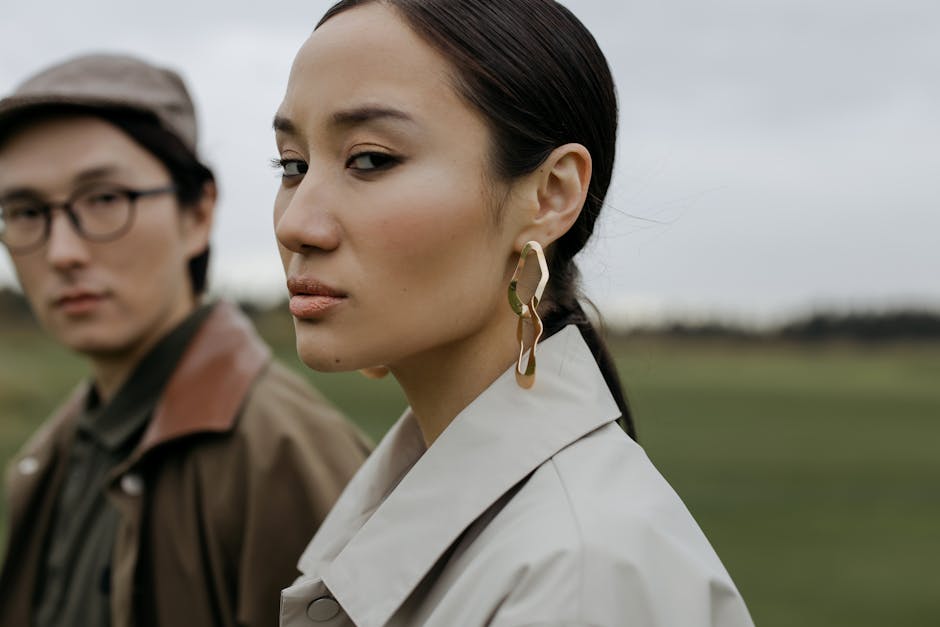
The sculptural and organic-form category deserves more than a table row because it is genuinely different from the other trends on this list — and because the price range is wide enough that buying the wrong version is easy to do.
The movement toward hammered textures, irregular forms, and handmade-looking construction has been building for several years. It emerged from consumer fatigue with perfectly uniform, mass-produced jewelry — the kind that looks identical across 40 different brands at identical price points. Visible imperfection, craft references, and asymmetry started reading as signals of quality rather than quality failures. That perception shift has proven durable because it is grounded in something real, not a runway moment.
What separates sculptural pieces from trend-specific categories: they function as objects rather than accessories. A hammered cuff or an irregular gold drop earring does not require a trend context to make sense on your wrist. A neon lucite bangle absolutely does.
What You Are Actually Getting at Each Price Tier
Under $100: Mostly gold-plated brass or lightly plated sterling with surface texturing. Jenny Bird ($45–$95) produces genuinely well-designed sculptural pieces in this tier — the Alta Earrings ($65) and Fluid Rings ($48–$55) are worth looking at specifically. The critical spec to check is base metal. Pieces with a brass base and thin gold plating will show wear at friction points — ring shanks, earring posts, bracelet clasps — within 6 to 12 months of regular use. “Gold-filled” construction, which has at least 5% gold by weight versus the fraction of a percent in standard plating, lasts significantly longer and is worth seeking out even in this budget tier. Laura Lombardi‘s cast chain earrings ($125–$185) use gold-filled construction and are consistently cited for lasting quality relative to their price point.
$100–$350: Gold vermeil on sterling silver dominates here. Both Monica Vinader and Missoma operate in this range consistently. Monica Vinader’s Nura collection — hammered organic forms in 18k gold vermeil — runs $95 to $195 for earrings and necklaces, and their vermeil quality is above average for the category. Missoma’s Molten Small Link Necklace ($145) is a clean execution of the sculptural chain trend without overselling it: irregular links, gold vermeil on sterling, works alongside other chains without demanding a specific outfit.
$350 and up: Solid 14k gold or solid sterling silver. Sophie Buhai ($295–$500+) and Pamela Love ($320–$620) are the benchmarks for accessible artisan fine jewelry at this tier. Sophie Buhai’s pieces read expensive in a way that justifies the spend — and solid metal means no plating timeline to manage.
The Single Spec That Predicts How Long a Gold Piece Will Last
Ask for plating thickness in microns, or check the listing carefully. The industry standard for pieces with real longevity is 2.5 microns minimum. Most fast-fashion jewelry runs 0.5 microns or less and will not disclose this because the answer discourages the purchase. If a brand cannot tell you the plating spec, treat the piece as short-term by design — price it accordingly.
Four Mistakes That Turn Good Jewelry Into Drawer Residents
These patterns show up across buyer regret conversations consistently. Most of them are preventable at the point of purchase.
- Buying a trend format before proving you will wear the format. If you have never reached for chunky statement earrings in your existing wardrobe, spending $120 on sculptural drops because they are trending is a gamble. A simple test: do you already own something in that general format — even something cheap — and actually wear it? If not, buy one inexpensive piece to test the format before committing money to quality. The trend will still be there in two months.
- Assuming “demi-fine” signals durability. Demi-fine is a marketing category, not a quality standard. It generally means gold vermeil or gold-filled over sterling silver, which is better than gold-plated brass — but two pieces both labeled demi-fine can have wildly different lifespans depending on base metal, plating thickness, and construction quality. The label alone tells you almost nothing about how the piece will hold up over 18 months of wear.
- Over-building a stack in a single purchase. The layered necklace and stacked ring aesthetic looks effortless on styled content because someone spent 20 minutes arranging it for a photo. Buying six pieces at once to recreate that look usually results in a stack that feels wrong in practice and individual pieces that never get worn separately. Build one or two additions at a time. You will wear everything you own.
- Spending trend money on structural wardrobe problems. Jewelry trends get blamed for a lot of outfit issues they do not actually fix. If your wardrobe feels off, that is almost always a fit, proportion, or color issue — not a jewelry gap. Adding a statement cuff to an outfit that was not working rarely saves it.
The Quiet Luxury Stack vs. Bold Statement Pieces: A Verdict

The quiet luxury stack — thin chains, small hoops, delicate gold rings — gets more actual daily wear than bold statement pieces for most people. That is the verdict, and it is not a close call.
Statement pieces photograph better and perform better as conversation starters in specific social contexts. The quiet stack works in every context, which is why the cost-per-wear math almost always favors it. A $180 Mejuri solid gold mini hoop worn 280 days a year costs $0.64 per wear. A $110 bold resin cuff worn 10 times costs $11 per wear. Neither purchase is wrong in absolute terms — but the numbers clarify exactly what you are buying in each case and whether the price reflects that use pattern.
Pick bold statement pieces deliberately, for specific occasions you can name in advance. Pick quiet luxury stacking if you want jewelry that earns its space in your wardrobe every day.
Specific Pieces Worth Buying Right Now, by Budget
Under $100
Jenny Bird Alta Earrings (~$65): Sculptural drops in gold-finished zinc alloy. Not the most durable material at this price, but the design reads well above the cost. Good for testing whether elongated drop earrings are a format you will actually wear before investing in a gold-filled or vermeil version.
Gorjana Power Gemstone Ring (~$48): Simple 18k gold-plated sterling silver band with a small set stone. Fits naturally into a mixed-metal stack and holds up better than most pieces in this tier because of the sterling silver base rather than brass.
$100–$300
Missoma Molten Small Link Necklace (~$145): 18k gold vermeil on sterling silver with an irregular link texture. It works alongside other chains and does not require anything specific to look intentional. Missoma’s vermeil quality is consistently above average for this price range.
Monica Vinader Nura Keshi Pearl Necklace (~$195): A baroque freshwater pearl on a gold vermeil chain. The irregular pearl shape is intentional and well-executed — it hits the pearl revival trend without reading as a costume piece or something your grandmother would wear.
$300 and Up
Sophie Buhai Simple Hoop Earrings in Sterling Silver (~$295): The name is accurate — these are very simple hoops. They are also exceptionally well-proportioned and made from solid sterling silver. This is the “buy once and wear for years” category done correctly.
Mejuri Croissant Hoop Earrings in 14k Gold (~$395–$445 depending on size): Solid 14k, not vermeil. The textured croissant surface reads as trend-adjacent without being obviously trend-dependent — these will still look current in three years. Worth the step up from Mejuri’s vermeil line if you wear earrings daily and want something that lasts indefinitely with basic care.
Mateo New York Pearl Stud Earrings (~$385–$500): Freshwater pearls set in solid 14k gold. Pearl studs are trending now but were also popular in 1998 and 2026. When a trend overlaps with a perennial like this, solid materials make clear sense. These are the version worth owning long-term.
When to Buy Cheap and When to Spend: The Rule That Simplifies Most Decisions

Buy cheap when the trend is highly specific
Chunky colored resin cuffs. Extremely oversized link chains in silver. Any piece that is clearly tied to a single season’s visual language rather than a broader aesthetic movement. These will cycle out within 18 to 24 months. A $20–$40 piece you wear 10 to 15 times before retiring it is a reasonable value proposition — you got the use out of it and did not overpay for the lifecycle you were actually buying.
Spend when a trend overlaps with something timeless
Baroque pearl studs. Sculptural gold hoops. Signet rings. Plain bands in solid metal. These categories are all trending in 2026, but they were trending in 2026 and 1995, too. When a “trend” is really a perennial returning to favor, quality materials pay off because the piece will not look dated in three years — it will just look like good jewelry. That is a meaningfully different purchase than buying something that requires a specific cultural moment to make sense.
The rule itself
If you are buying something because it is trending, spend less. If you are buying something you would want regardless of trends — and it happens to be popular right now — spend more. In the second case, the trend is coincidental. The purchase logic is different, and so is the defensible budget.
| Trend | Best Brand Under $100 | Best Brand $100–$300 | Best Brand $300+ | Skip If… |
|---|---|---|---|---|
| Sculptural / Organic Forms | Jenny Bird ($45–$95) | Missoma ($95–$200) | Sophie Buhai ($295–$500+) | You prefer clean, minimal lines |
| Mixed Metals | Gorjana ($35–$80) | Mejuri ($68–$150) | Monica Vinader ($150–$300) | Your wardrobe is strictly monochromatic |
| Baroque Pearls | Gorjana ($55–$90) | Monica Vinader ($150–$250) | Mateo New York ($385–$500) | You want something very low-maintenance |
| Quiet Luxury Stack | Gorjana ($35–$65) | Mejuri vermeil line ($68–$200) | Mejuri 14k line ($300–$450) | You prefer a single statement piece |