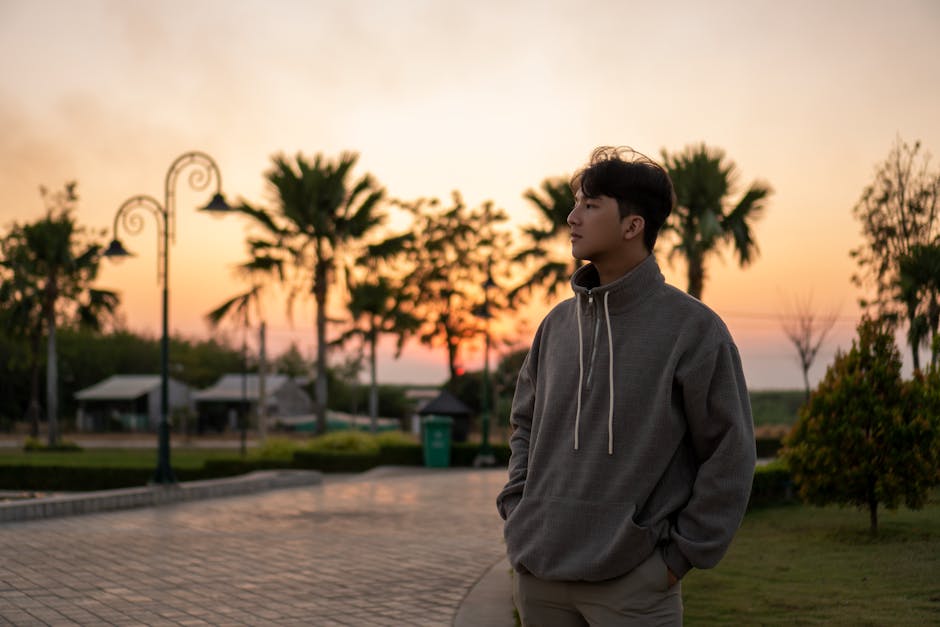
The hoodie arrived in a size XL. You ordered it because the model looked perfect — relaxed shoulders, dropped hem, that effortless “borrowed from someone taller” silhouette. What showed up was different: boxy in all the wrong places, sleeves hitting mid-palm, fabric thin enough that it went shapeless after one wash.
That gap between what oversized looks like on a product page and what it delivers in real life is the central problem with this category. It’s fixable — but only once you understand what separates a genuinely well-cut oversized hoodie from something that just runs large.
The Real Difference Between an Oversized Cut and a Big Size
This is where most purchases go wrong before anyone clicks “add to cart.”
A hoodie designed to be oversized has proportional adjustments across the entire garment. The shoulder seam sits further down the arm. The body has extra width at a consistent ratio from chest to hem. The hood is larger. The cuffs are cut to still function even with the extended sleeve length.
When you buy a hoodie two sizes too large, none of those adjustments happen. The shoulder seam still hits where a regular XL shoulder hits — it just hangs wrong. The body accumulates extra fabric in odd places. The cuffs are designed for a regular-length sleeve, so they bunch at your wrists instead of draping over them.
Brands that make a genuine oversized fit say so explicitly in the cut description: dropped shoulder, relaxed fit, or oversized silhouette. If the product page says “size up for an oversized look” — that’s a sizing workaround, not a design choice. Treat those two things very differently.
How to Identify a True Oversized Cut Before Buying
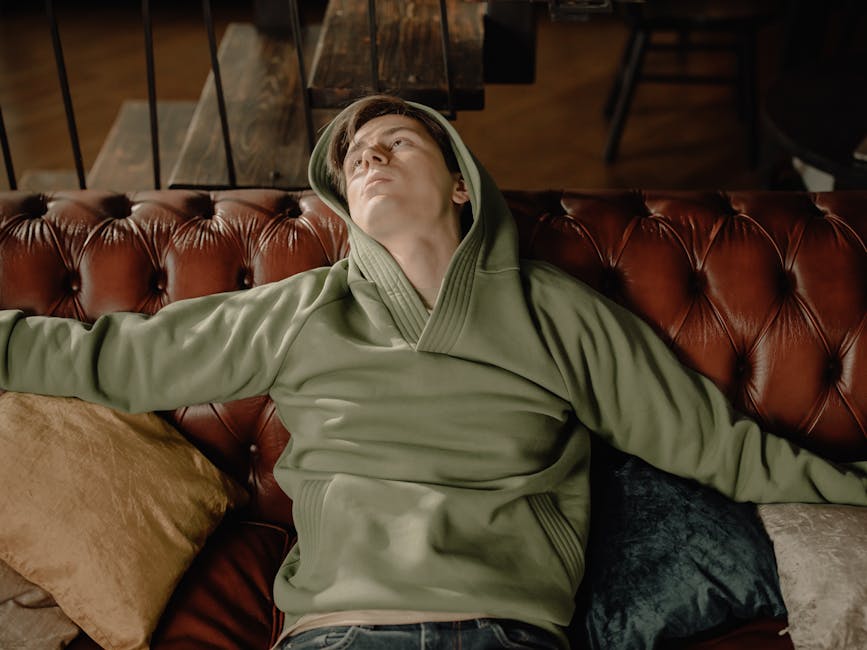
Look at shoulder seam placement in product images. On a properly oversized hoodie, the seam should fall visibly past the natural shoulder point — typically 2 to 4 inches down the upper arm. If the seam looks like it’s sitting on the shoulder naturally, it’s a regular hoodie in a bigger size.
Also check model measurements in size notes. If the model is 5’9″ wearing a size M and the brand notes “model wears M for an oversized fit,” that’s a design-intentional piece. If they’re wearing an XL with no measurements, proceed skeptically.
What Hood Proportions Tell You About Construction Quality
Cheap oversized hoodies frequently forget to scale the hood. You end up with a massive body but a hood that looks like it belongs on a smaller garment — and slides off your head the second you stand up straight. A well-proportioned oversized hoodie has a deep, structured hood with enough volume to stay in place.
Champion’s Reverse Weave Oversized Hoodie gets this right. The hood has visible structure and doesn’t flatten against the back when worn. Compare that to most fast-fashion oversized options, where the hood is an afterthought added to justify the price.
Fabric Weight: The Spec That Predicts Long-Term Performance
Most listings skip this number entirely. Here’s what it means and why it determines whether your hoodie looks good in year two or year one only.
| Weight Range | oz/yd² | How It Feels | Best Use Case | Main Drawback |
|---|---|---|---|---|
| Lightweight | 5–6 oz | Thin, drapes easily | Spring layering | Pills fast, goes transparent when stretched |
| Midweight | 7–9 oz | Balanced, holds some shape | Year-round wear | Not warm enough as a standalone in winter |
| Heavyweight | 10–14 oz | Dense, substantial | Cold weather, daily use | Slow to dry, heavier to carry |
The sweet spot for an oversized hoodie worn constantly is 10–12 oz. Below that, the extra fabric reads as flimsy rather than relaxed. Champion’s Reverse Weave uses 12 oz fleece — it’s why it holds its shape after 50 washes when a 6 oz fast-fashion version looks like a dishrag after 10.
100% Cotton vs. Cotton-Poly Blends
100% cotton hoodies shrink. Count on losing 5–8% of length after the first hot wash. For an oversized hoodie, that’s meaningful — a 28-inch body length can drop to 26 inches, which changes the entire silhouette you bought it for.
A cotton-polyester blend (typically 80/20 or 50/50) resists shrinkage and holds color better. The texture is slightly different — less soft against bare skin, slightly warmer — but it maintains consistent sizing across washes. Aritzia’s TNA Mega Fleece Hoodie (~$88–$108) uses a cotton-poly blend that manages to feel soft while keeping dimensions stable. That’s the benchmark for comparison in this price range.
French Terry vs. Fleece: Which to Choose
French terry is looped on the inside, smooth on the outside. Cooler and lighter than fleece, better for transitional weather or gym-to-street situations. Fleece (brushed interior) is warmer and softer against skin. For true oversized wear in fall and winter — the main context people search this category — fleece is the correct call. French terry works if you’re layering over something else.
Five Mistakes That Turn a Good Buy Into a Wasted $60
- Ordering based on flat-lay photography. Flat lays hide how fabric behaves when worn. Always look for on-body shots from multiple angles. If a brand shows only flat lays, that’s deliberate — they’re hiding something about how it drapes.
- Ignoring the fiber content label. “Soft fleece” tells you nothing. “80% cotton / 20% polyester at 12 oz/yd²” tells you exactly what you’re getting and how it will age.
- Assuming all oversized interpretations are the same. Aritzia’s oversized cut is different from H&M’s is different from Champion’s. Each brand defines “oversized” differently. Read the measurements in the size guide, not just the size name.
- Buying two cheap versions instead of one quality one. Two H&M oversized hoodies at $22 each is $44. That’s within range of a single Champion Reverse Weave or Carhartt that will outlast both of them by years.
- Skipping return window research. If you can’t try it in person, verify the return window is at least 30 days. Oversized fit on your actual body is the only real test. Don’t buy final-sale from a brand you haven’t tried before.
The Hoodies Worth Buying Right Now
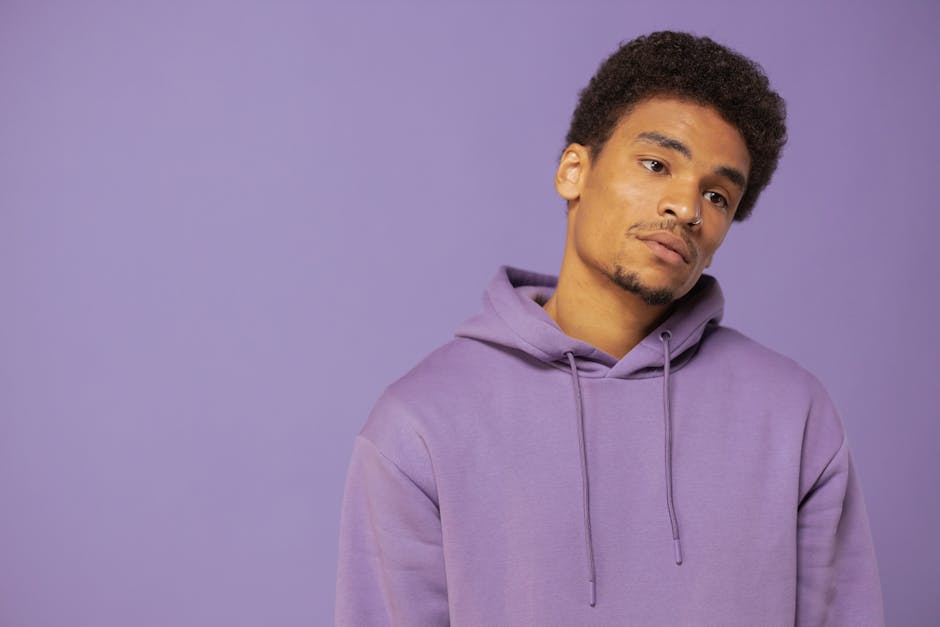
Verdict up front: for everyday wear that holds up over years, the Champion Reverse Weave Oversized Hoodie (~$70) is the best value in this category. For premium fit precision and softer fabric, the Aritzia TNA Mega Fleece Hoodie (~$88–$108) is the justified upgrade. For a budget-focused buy that won’t disappoint, the Carhartt Midweight Hooded Sweatshirt (~$50) outperforms its price.
Champion Reverse Weave Oversized Hoodie — $65–$75
The Reverse Weave construction cuts the fleece horizontally instead of vertically, resisting vertical shrinkage. Champion has been doing this since 1938. The 12 oz fleece is dense enough that the dropped shoulder reads as intentional, not accidental. Available XS–3X with consistent sizing across color runs — which matters when you’re ordering online. The downside: it runs heavier than expected, genuinely unsuitable as a warm-weather layer.
Aritzia TNA Mega Fleece Hoodie — $88–$108
The most precisely designed oversized silhouette of the three. Shoulder seam drops 3 inches below the natural shoulder point. The hem runs longer in the back than the front by about 2 inches — a detail that prevents the hem from riding up and looking too short. Wide neutral colorway selection. This is not the same product as Champion at a higher markup; it’s a different garment with more tailoring investment. Worth the price if fit precision matters to you.
Carhartt Midweight Hooded Sweatshirt — $45–$55
Not marketed as oversized — but at 10 oz with a relaxed cut, it functions as one. Workwear-grade construction: double-stitched seams, reinforced hood lining, ribbed cuffs that hold their shape. If you want an oversized hoodie that works as mild-weather outerwear and doesn’t look worn-out after 18 months of regular use, this is the practical pick. It won’t give you the fashion-forward proportions of the Aritzia, but it won’t embarrass you either.
How Body Proportions Affect Which Cut to Choose
If You’re Petite (Under 5’4″)
Standard oversized cuts designed for average or taller frames will hit below the hip on shorter frames — not inherently bad, but it shortens your visual line. Look for options sold in XS or S rather than sizing up from your regular size. The Aritzia TNA maintains its proportional drops at XS, which most brands don’t manage. H&M’s oversized options, while cheap, collapse proportionally at smaller sizes.
If You’re Tall (Over 5’9″)
This is where oversized hoodies work best. The dropped shoulder and extended hem hit where they’re intended to. The one issue to check: sleeve length. Most oversized hoodies are cut for average height, so the “intentionally long” sleeve on a 5’6″ frame may just be correct-length on yours. Check the sleeve measurement specifically, not just body length.
If You’re Plus-Size
Sizing up in a regular hoodie gives volume without the right shape. Champion’s Reverse Weave and Carhartt both extend to 2X and 3X with proportional scaling across the full garment — meaning the shoulder drop is maintained at larger sizes rather than disappearing. Avoid brands that cap at XL and market it as “oversized.” That design was optimized for a narrower size range and it shows.
When Oversized Is the Wrong Hoodie for the Job
For athletic use — running, climbing, hot yoga — an oversized cut catches on equipment, restricts arm range of motion, and creates drag. The Nike Tech Fleece Hoodie (~$110–$130) or Patagonia R1 Air Full-Zip Hoodie (~$139) will serve you better in those contexts. Oversized is a style and comfort decision, not a performance one. Use it accordingly.
How to Style an Oversized Hoodie So It Reads as Intentional
The most common styling error: pairing an oversized hoodie with equally oversized bottoms. The result is shapeless, not relaxed. Volume works when it has contrast.
The formula that consistently works: oversized top, fitted or straight-leg bottom. Straight-leg jeans or slim trousers with a dropped-hem oversized hoodie reads as deliberate. Baggy cargo pants with an oversized hoodie reads as an accident — unless the rest of the outfit is extremely controlled in color and accessories, which is a harder balance to strike.
The Half-Tuck on Longer Hems
For hoodies with a longer back hem — like the Aritzia TNA — a front half-tuck into high-waisted pants creates a visible waistline without fighting the silhouette. It works specifically because the back hem stays long: you get definition in front without losing the oversized proportion from behind.
What to Layer Under vs. Over
A fitted turtleneck or long-sleeve shirt under an oversized hoodie adds visible dimension at the neck and wrists. Works at any body proportion and adds warmth without making the overall look heavier. Layering a coat over an oversized hoodie requires enough shoulder room in the coat — which is why many people opt for an oversized coat over a regular-fit hoodie instead. Both work. The second combination tends to be warmer and easier to pull off.
The oversized hoodie category has matured past the point where “just buy a size up” passes as advice. Fabric weight, shoulder seam placement, and seam construction are all findable details if you know where to look. The brands that have been doing this well for decades — Champion and Carhartt especially — are still doing it well at prices that haven’t outpaced their quality. That’s a short list worth knowing.