Understanding the Basics of Accessory Matching
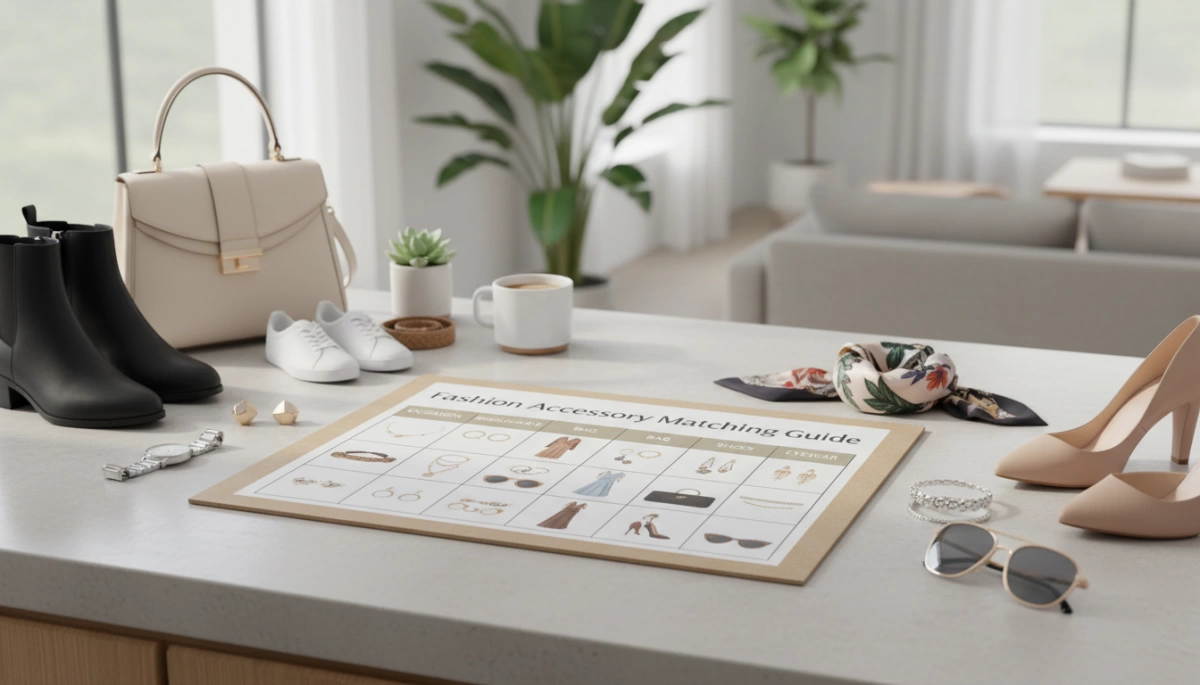
When it comes to how to match accessories with outfits, the key is coordination, not being overly “matchy-matchy.” Coordination means your accessories complement your outfit without looking forced or identical. Think of it as a harmonious blend rather than an exact copy.
Core Elements to Consider
- Color: Pick accessories that either match or thoughtfully contrast with your outfit’s colors.
- Material and Texture: Mix different textures and materials for depth, like pairing smooth leather with soft fabric or shiny metal with matte beads.
- Scale and Proportion: Balance oversized pieces with delicate ones. For example, bold earrings work well with simpler necklaces.
- Metal Tones: Choose metals (gold, silver, rose gold) that suit your skin tone and outfit mood.
- Style: Keep accessories aligned with the occasion—casual looks call for laid-back, easygoing pieces; formal outfits need polished, elegant accents.
Less Is More: The Focal Point Rule
Always remember, less is more. Pick one statement piece—a bold necklace, standout earrings, or unique bag—and let it shine. This focal point directs attention without overwhelming your look.
Mastering these basics sets you up for success in accessory styling and helps elevate any outfit effortlessly.
Color Matching Rules for Accessories
When it comes to how to match accessories with outfits, color plays a huge role. For neutral outfits, like beige, white, or black, accessories are your best tool to add a pop of color and personality. Think bright scarves, bold earrings, or a vibrant bag to bring life to an otherwise muted look.
For bold or colored outfits, use color theory to guide you:
- Complementary colors (opposites on the color wheel) create high contrast and energy, like a blue bag with an orange dress.
- Analogous colors (next to each other on the wheel) give a harmonious, easy-on-the-eyes vibe, such as purple and pink accessories.
- Monochromatic schemes involve varying shades of the same color, which keeps things sleek and elegant.
Seasonal color tips are handy too. Warm tones like golds, oranges, and reds work beautifully in fall and winter, while cool tones such as blues, greens, and silvers fit spring and summer. This seasonal pairing helps keep your outfit fresh and in tune with the mood.
Special cases can be tricky, like matching accessories to deep-tone dresses or busy prints. Here, it’s best to pick accessories in solid colors pulled from the outfit or go with neutrals (think classic black or nude) to avoid clashing. For prints, pick one dominant color from the pattern for your accessories to create cohesion without overwhelming.
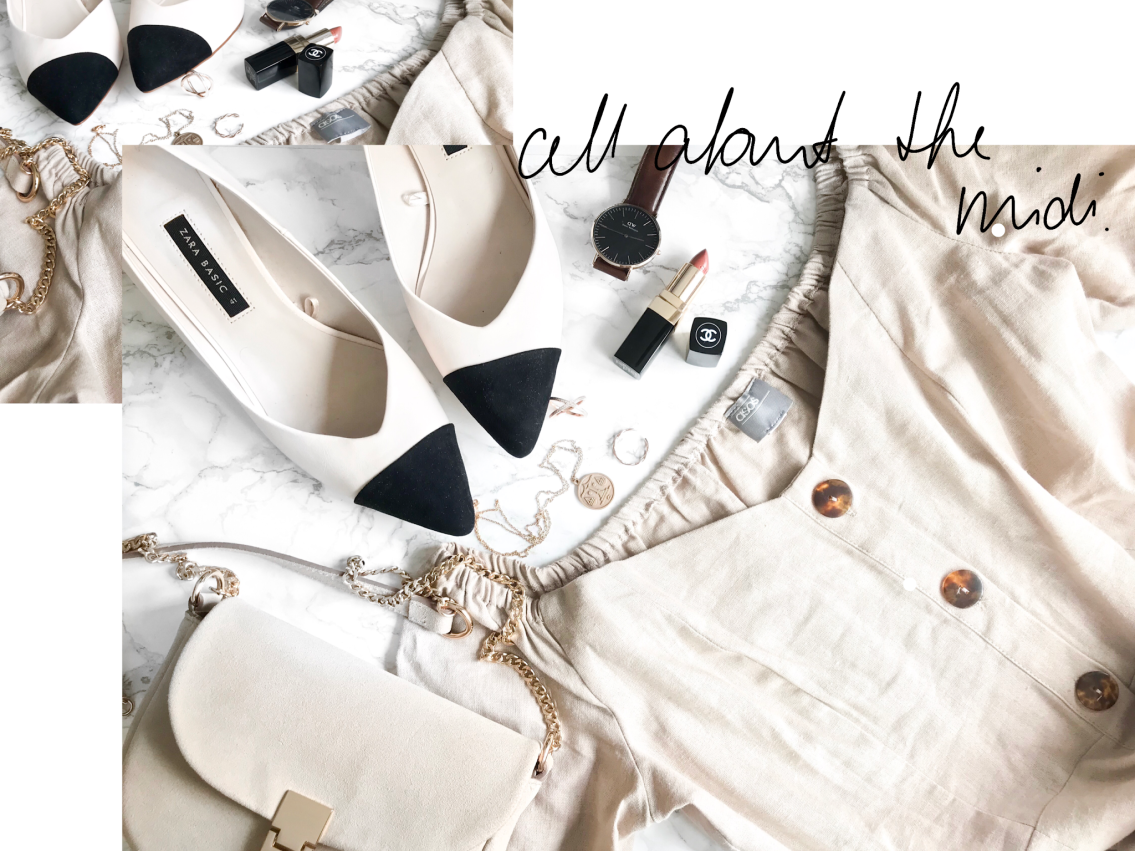
Mastering color matching accessories boosts your outfit coordination effortlessly. For more on elevating your looks, you might find useful tips in this guide on currently craving midi dresses, which shows how accessories can transform basic pieces.
Metal and Jewelry Coordination
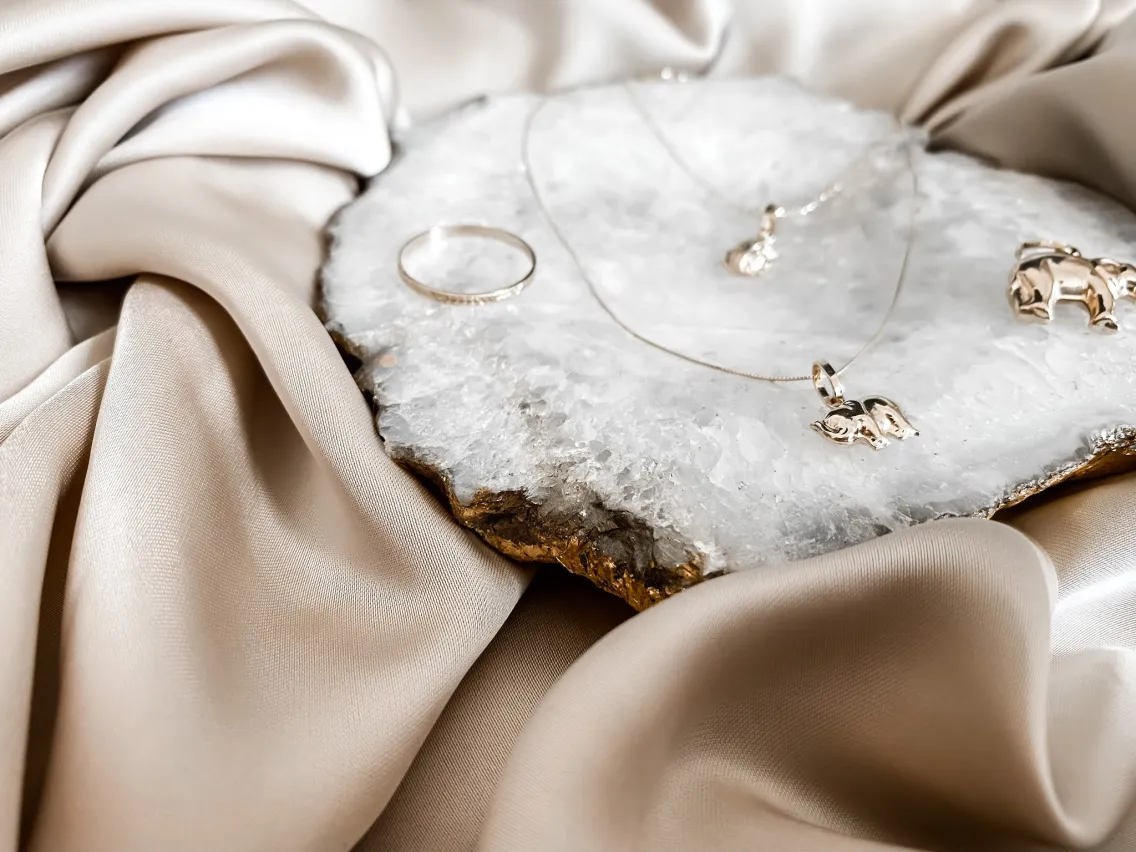
When it comes to coordinating metals like gold, silver, and rose gold, the key is balance. You don’t have to stick to one metal tone all the time. Mixing metals can look modern and stylish—just keep the mix intentional rather than random. For example, pairing rose gold earrings with a gold necklace creates a warm, cohesive vibe. But if you’re going bold with mixed metals, keep other accessories simple.
Layering jewelry is another great way to elevate your look. When layering necklaces, vary lengths and styles to avoid a cluttered feel. For bracelets and rings, mix delicate pieces with chunkier ones to add dimension. Earrings should generally complement the overall jewelry palette without overpowering the look.
Don’t forget about matching metals across different accessories like your watch, belt buckle, and bag hardware. If your watch has silver detailing, try to match that with silver jewelry or belt hardware to create a polished, coordinated outfit. For more on watch and jewelry coordination, check out this detailed guide on building your collection and styling watches and jewelry together.
Following these simple metal and jewelry coordination tips will give your outfit a sleek, put-together finish without feeling overdone.
Shoes, Bags, and Belts: The Leather and Hardware Trifecta
When it comes to matching accessories like shoes, bags, and belts, the classic rule is simple: match your leathers. Brown shoes pair best with brown belts and bags, while black leather always looks sharp when matched with black accessories. This coordination creates a cohesive, polished look that’s timeless and easy to pull off.
However, fashion accessory matching is evolving, and modern styling often embraces contrasting and mixing textures. For example, pairing smooth leather shoes with a suede belt or croc-embossed handbag can add interesting depth to your outfit while maintaining harmony. Just keep the color palette complementary to avoid clashing.
Here are some quick belt and shoe pairing tips for men and women:
- Men: For formal settings, stick to matching leathers for belts and shoes. In casual wear, feel free to experiment with different leather textures or subtle color contrasts.
- Women: Don’t shy away from mixing metals on buckles or pairing slightly different leather shades but maintain balance to avoid looking too busy.
This trifecta plays a major role in how polished your overall look appears, so giving attention to leather types and hardware tones will elevate your accessory styling game.
For more on footwear that works in professional settings, check out our detailed guide on the work shoes that are actually comfortable and stylish.
Balancing Scale and Proportion in Accessories
When matching fashion accessories, balancing scale and proportion is key to pulling your look together without overwhelming it. Large, oversized pieces like a chunky bag or statement necklace should be paired with more delicate items. For example, if you’re carrying a big tote, opt for subtle earrings to avoid competing focal points.
Keep these tips in mind:
- Pair oversized with delicate: A bold cuff bracelet works best with thin rings and simple necklaces.
- Avoid clutter: Don’t mix too many large accessories; it creates a heavy look.
- Neckline echo: Match necklace length and style to your outfit’s neckline to create harmony. For example, a deep V-neck pairs well with a longer pendant.
- Body type considerations: Smaller frames benefit from petite, dainty accessories, while taller or broader builds can handle larger, chunkier items.
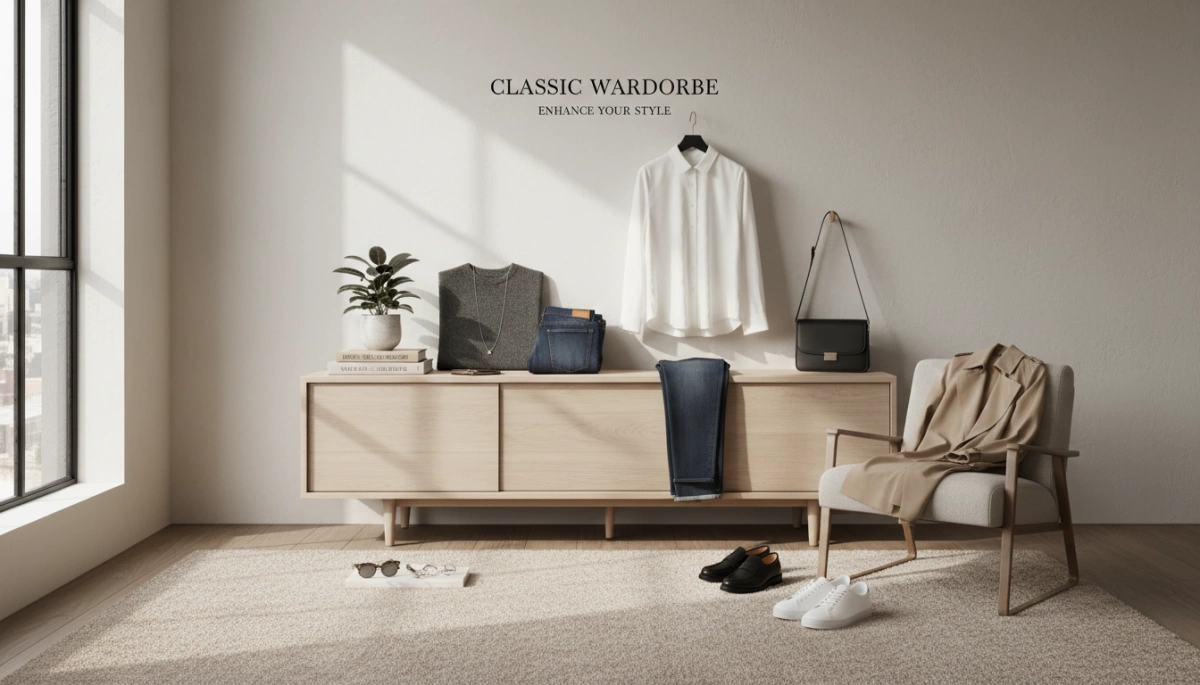
Mastering these balance and proportion rules helps elevate your accessory styling without feeling forced or mismatched. For more ideas on coordinating classic pieces, explore our guide on the classic pieces every wardrobe needs.
Occasion-Based Accessory Matching
Matching accessories to the occasion is key to pulling off a polished look without feeling overdone. Here’s a simple guide to help you style your accessories right, whether it’s casual, professional, or evening wear.
-
Casual/Daytime: Keep things relaxed and playful by mixing different textures and colors. Fun accents like colorful scarves, layered bracelets, or quirky earrings can brighten up a basic outfit without overwhelming it. Think light and easy, perfect for weekend outings or brunch dates.
-
Office/Professional: Opt for subtle, coordinated elegance. Minimalistic jewelry, classic leather belts, and structured handbags work best. Stick to neutral tones and matching metals to keep your look polished and seamless. This approach helps you maintain a professional image while elevating your outfit with thoughtful accessory choices.
-
Evening/Date Night: This is your time for statement accessories. Pick one standout piece—maybe an eye-catching necklace, bold earrings, or a chic clutch—to add glamour without cluttering your outfit. Balance is crucial here; let your statement piece shine by keeping other accessories simple.
-
Seasonal Adjustments: Accessories can also reflect the time of year. Scarves in cozy fabrics add warmth and style in fall, while hats and lightweight jewelry bring fresh vibes in summer. Adjust your choices not only for style but for comfort and practicality.
Playing with accessories according to the occasion lets you master the art of coordination without becoming perfectly matchy-matchy. For more on incorporating fun accents like scarves and hats into your looks, check out the detailed accessory styling tips.
Do’s and Don’ts: Common Mistakes to Avoid in Accessory Matching
When it comes to fashion accessory matching, avoiding common pitfalls is key to looking polished and stylish. Here are some easy-to-follow do’s and don’ts to keep your accessory styling on point:
Don’t Over-Accessorize or Let Pieces Compete
- Avoid piling on multiple statement pieces that fight for attention.
- Stick to the “less is more” philosophy—choose one focal point, like bold earrings or a statement necklace, to elevate your look without overwhelming it.
Don’t Ignore the Outfit Context or Your Personal Style
- Accessories should complement the occasion and your outfit’s vibe.
- For example, a casual day look calls for relaxed pieces, while evening outfits need something more refined.
- Stay true to your personal style; forced matching can look inauthentic and cluttered.
Avoid Too Much Repetition; Aim for Thoughtful Variety
- Repeating the same accessory or color excessively can make your look boring.
- Mix textures, sizes, and styles within your chosen color palette for a balanced and interesting ensemble.
- Play with layering and combining metals thoughtfully, but don’t mix too many styles at once.
Keeping these basic rules in mind will help you master jewelry and outfit coordination effortlessly. For more insights on refined lifestyle habits that uplift your look, check out how to connect rather than compete in style.
Current Trends in Accessory Matching (2026–2026 Updates)
Accessory styling tips are constantly evolving, and the 2026–2026 season brings some fresh, exciting directions. One big trend is bold metal mixing—don’t be afraid to combine gold, silver, and rose gold jewelry in one outfit. This mix-and-match approach adds effortless edge and breaks the old “match your metals” rule. Similarly, statement socks paired with heels are making a comeback, adding playful pops of color and texture that elevate even the simplest look.
Brooches are also back as subtle yet striking accents. A colorful brooch on a neutral outfit can instantly lift your style, giving a polished and unique touch without going overboard. These small but impactful pieces work especially well with minimalist wardrobes, helping to elevate your look with a splash of personality.
Sustainability remains a key focus in fashion. Versatile, eco-friendly accessories that can seamlessly transition across multiple outfits and occasions are increasingly favored. From reusable bags to ethically produced jewelry, opting for sustainable pieces not only supports the planet but also enriches your accessory collection with meaningful, long-lasting style.
For more ideas on how to elevate your look with accessories, exploring practical styling examples can be a great fit for daily wear. If you’re curious about fashion routines and staying motivated in your style journey, you might find insights in this guide on getting into a fitness routine, which complements the holistic approach to looking and feeling your best.
Practical Styling Examples for Accessory Matching
Bringing accessory styling tips into real life is easier than you think. Here are some practical ways to elevate your outfits with well-chosen accessories:
-
Neutral basics elevated with accessories: A plain white tee and jeans combo can get an instant upgrade with a bold statement necklace, a colorful scarf, or a sleek leather belt. Adding gold or rose gold jewelry works great to warm up the look without overpowering it.
-
Printed dress accessorized ideas: When styling a patterned dress, keep accessories simple to avoid clashing. Pick one color from the print and match your shoes, bag, or earrings to it. Layer delicate necklaces or opt for minimalist metal pieces to keep balance.
-
Suit with coordinated details: For men and women alike, matching metals on your watch, belt buckle, and cufflinks or bag hardware creates a polished, cohesive vibe. Try subtle touches like a silk pocket square or a statement watch strap to personalize the professional look.
-
Before-and-after scenarios for quick styling wins: Sometimes all it takes is adding a single statement belt or swapping out plain flats for bold heels to transform an outfit from basic to standout. Use the focal point rule—choose one standout accessory, then keep the rest minimal for effortless balance.
These styling examples show how thoughtful accessory coordination can elevate even the simplest outfit, striking the perfect balance between statement pieces and subtle details. For inspiration on adding seasonal touches or layering your jewelry, check out reliable guides like this winter haircare routine that also highlights thoughtful layering techniques.