Stop Wasting Money: Your First Running Shoe Purchase
Listen up. Buying running shoes isn’t about what looks good on Instagram. It’s about your feet, your stride, and preventing injury. Period. Too many runners in Pakistan just grab whatever’s on sale or what their friend wears. That’s a rookie mistake. Your first pair sets the tone. Get it wrong, and you’re looking at discomfort, shin splints, or worse.
Before you even think about brands, understand your foot. Do you overpronate? Supinate? Are you neutral? Most people don’t know, and they should. Go to a proper running store if you can find one that does gait analysis. If not, do the wet test at home. Dip your foot in water, step on a piece of paper, and look at your arch. That’s your starting point. Don’t skip this. It’s non-negotiable.
Overpronation vs. Supination: Why It Matters
Overpronation means your foot rolls inward excessively after landing. This is incredibly common. If you have flat feet or very low arches, you likely overpronate. You need stability shoes. These shoes have features, often a firmer foam or post on the arch side (medial post), to prevent that excessive inward roll. Ignoring this leads to knee pain, hip issues, and general discomfort during runs.
Supination (or underpronation) is the opposite: your foot doesn’t roll inward enough, putting pressure on the outside of your foot. If you have high arches, you might supinate. You need neutral shoes with plenty of cushioning and flexibility. Stability shoes will only make supination worse by pushing your foot further outwards. It’s a simple biomechanical truth: match the shoe to the foot, not the trend.
Don’t Buy for Looks: Function Over Fashion
I see it all the time. Someone drops serious cash on a flashy pair of Nikes because they look cool. Then they wonder why their feet hurt after 5km. Running shoes are tools, not fashion accessories. The bright colors and sleek designs are secondary. Your priority is fit, support, and cushioning appropriate for your foot type and running style. If the shoe doesn’t feel right in the store, it won’t magically feel better on your fifth run. Trust your gut, not the marketing.
Also, don’t just try them on while sitting. Walk around. Jog in place. If the store allows, do a short jog outside. Your foot expands when you run, so make sure there’s enough room, especially in the toe box. A thumb’s width between your longest toe and the end of the shoe is the general rule. Your heel shouldn’t slip. Period.
The Best All-Rounders for Pakistani Roads
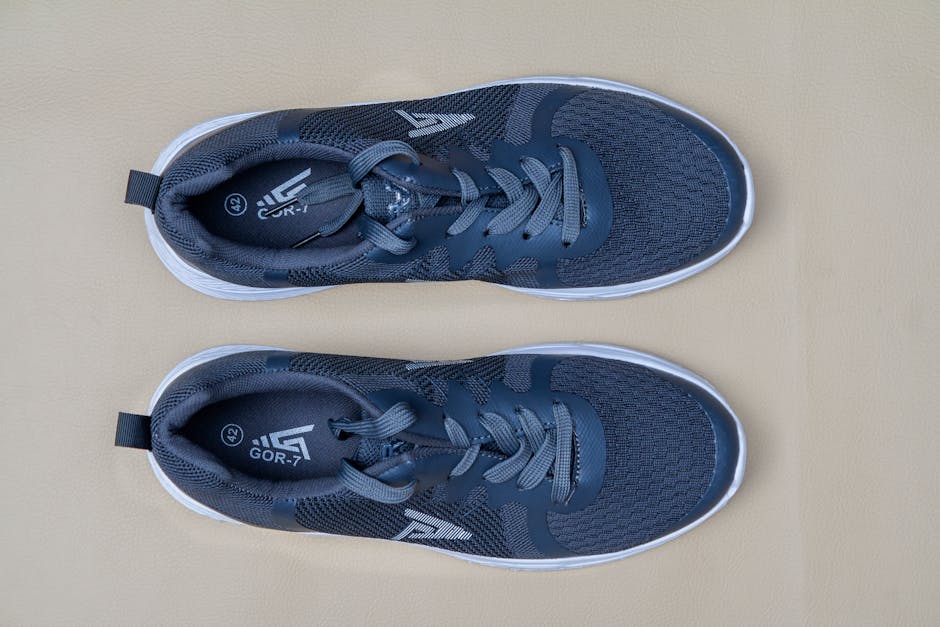
Pakistan’s roads are often unforgiving: cracked pavements, uneven asphalt, and occasional gravel. You need shoes that can handle a bit of everything without being specialized. Here are the workhorses, the shoes that deliver consistent performance without breaking the bank for what they offer.
Nike Pegasus 40: The Daily Driver
The Nike Pegasus 40 is a no-brainer for most runners. It’s Nike’s reliable neutral workhorse, known for its balanced cushioning and durability. It uses React foam, which is responsive enough for tempo runs but soft enough for long, easy miles. The upper is comfortable and breathable, which is crucial in Pakistan’s climate. It’s not flashy, it’s not revolutionary, but it simply works. For runners who want one shoe to do it all—daily training, occasional speed work, and even longer distances—the Pegasus 40 is a solid pick. It handles varying surfaces reasonably well, making it ideal for the unpredictable nature of urban Pakistani running routes.
Expect to find these around PKR 25,000-35,000, depending on sales and retailers. It’s a fair price for a shoe that will give you hundreds of reliable kilometers. Don’t overthink it if you need a dependable neutral shoe.
Adidas Adizero SL: Speed and Value
If you’re looking for something a bit faster, without jumping into full-blown race day shoes, the Adidas Adizero SL is an excellent choice. It’s lighter than the Pegasus, offering a snappier ride thanks to a combination of Lightstrike and Lightstrike Pro foam. While not as plush as some maximalist trainers, it provides a good balance of cushioning and ground feel. This shoe shines during faster daily runs, tempo efforts, or even shorter races. It’s also surprisingly durable for its weight. For runners wanting to pick up the pace, the Adizero SL delivers a premium feel at a more accessible price point than its carbon-plated siblings.
Price-wise, it usually sits in the PKR 20,000-30,000 range, making it a strong contender if you prioritize speed and efficiency in your daily training. It’s a versatile option for the runner who wants to feel a bit more connected to the road without sacrificing all comfort.
Brooks Ghost 15: Pure Comfort
For those who prioritize plush comfort above all else in a neutral daily trainer, the Brooks Ghost 15 is your shoe. It’s renowned for its smooth ride and soft DNA LOFT cushioning. The Ghost is incredibly forgiving on the legs, making it perfect for long runs, recovery days, or for runners who just prefer a softer feel underfoot. It’s not the fastest shoe, but it’s consistently comfortable and reliable. The upper is well-padded and secure, offering a classic running shoe feel. For runners who just want to log miles in comfort, especially on hard surfaces, the Ghost 15 is a consistent winner. It’s a very popular choice globally for a reason.
The Brooks Ghost 15 generally retails for PKR 28,000-38,000. It’s a worthy investment for its sheer comfort and durability, making it an excellent choice for everyday training on Pakistan’s varying terrains. This is the shoe you grab when you want your feet to feel good, regardless of the distance.
Trail Running in Pakistan: Off-Road Warriors
Pakistan offers incredible trail running opportunities, from the Margalla Hills to the northern valleys. But you can’t hit those trails in your road shoes. You need grip, protection, and stability. Trail shoes are a different beast entirely. Here are two top contenders.
| Feature | Salomon Speedcross 6 | Hoka Speedgoat 5 |
|---|---|---|
| Primary Use | Technical, muddy, soft terrain, steep climbs/descents | Long distances, varied trails, rocky terrain, cushioning |
| Cushioning | Moderate (EnergyCell+) | Maximal (CMEVA) |
| Grip/Lugs | Deep, aggressive (Contagrip Mud) | Grippy, versatile (Vibram Megagrip) |
| Weight (approx.) | 298g | 291g |
| Protection | Excellent, reinforced upper, toe bumper | Good, toe bumper, stable platform |
| Fit | Snug, precise (Quicklace) | Roomier toe box, comfortable |
Salomon Speedcross 6: The Aggressive Grip
If you’re tackling truly technical, slippery, or steep trails—think the monsoon-slicked paths of the Margallas—the Salomon Speedcross 6 is unmatched. Its deep, chevron-shaped lugs claw into soft ground like nothing else. The Quicklace system provides an incredibly secure, precise fit, which is crucial for stability on uneven terrain. It’s not the most cushioned shoe, but it gives you immense confidence when traction is . Don’t even consider this for road sections; it’s a dedicated trail weapon. Prices often range from PKR 30,000-45,000.
Hoka Speedgoat 5: Cushion for the Wild
For longer trail runs, especially on harder, rockier trails where cushioning becomes a priority, the Hoka Speedgoat 5 is superior. Hoka is famous for its maximal cushioning, and the Speedgoat delivers it in spades, protecting your feet over endless miles. The Vibram Megagrip outsole provides reliable traction on a variety of surfaces, though its lugs aren’t as aggressive as the Speedcross for deep mud. It’s more forgiving on the legs for those epic trail adventures. If you value comfort and protection over sheer aggressive grip, the Speedgoat is your pick. Expect to pay PKR 35,000-50,000 for this workhorse.
Why Cushioning is Overrated (Sometimes)
Everyone chases the most cushioned shoe, assuming more is always better. It’s a common misconception. While cushioning provides comfort and shock absorption, excessive cushioning can actually hinder your running form and efficiency. It creates a disconnect from the ground, making it harder to feel your foot strike and adjust. For some runners, especially those with good biomechanics or a preference for a more natural feel, a super-plush shoe can feel sluggish and unstable.
The sweet spot for cushioning is highly individual. A lighter, more responsive shoe with moderate cushioning often encourages a quicker cadence and more efficient foot strike. Think about what a racing flat offers: just enough protection without adding unnecessary bulk. It forces your body to absorb some of the impact naturally, strengthening your feet and ankles over time. Don’t blindly follow the maximalist trend if it doesn’t suit your stride.
The Myth of Maximum Cushion
The idea that maximum cushioning prevents all injuries is simply not true. Studies show that injury rates don’t significantly decrease with more cushioning. In fact, some research suggests that very cushioned shoes can alter your gait in ways that might shift stress to different parts of your body. Your body is incredibly adaptive. It adjusts to the firmness of the ground or shoe. If the shoe is too soft, your body might compensate by striking harder, essentially negating some of the cushioning benefits. It’s a complex interaction, not a simple equation of more cushion equals less impact.
Moreover, highly cushioned shoes can reduce proprioception—your body’s sense of its position and movement. This decreased feedback can sometimes lead to less stable foot placements, particularly on uneven terrain. You want enough cushioning to be comfortable, but not so much that you feel like you’re running on marshmallows and can’t react to the ground.
When Less is Actually More
For speed work, tempo runs, or even just developing stronger feet, a shoe with less stack height and firmer cushioning can be beneficial. It allows for a more direct transfer of power and a quicker push-off. Shoes like the Saucony Kinvara or the Adidas Adizero Adios (not the SL, but the more minimal Adios) offer this kind of ride. They are lighter, more flexible, and encourage a faster turnover. Beginners should probably start with more cushioning, but as you progress and understand your body, don’t be afraid to experiment with less. Sometimes, stripping away the excess is what truly unlocks your potential.
It’s about finding the right tool for the job. For easy, long runs, sure, grab a plush shoe. But for intervals or when you want to feel fast and agile, a lighter, less cushioned option often performs better. Don’t be a one-shoe runner if you want to optimize performance for different types of workouts.
Common Mistakes Pakistani Runners Make
Avoid these pitfalls. They’re common, preventable, and often lead to injury or premature shoe death. Learn from others’ mistakes, not your own.
-
Ignoring Foot Type
As covered earlier, not understanding your arch type (flat, neutral, high) and gait (overpronation, supination) is a massive error. Buying a neutral shoe when you severely overpronate is an express ticket to shin splints and knee pain. Conversely, forcing a stability shoe on a supinator is just as bad. Get this right first. It’s the foundation of happy running.
-
Buying the Wrong Size
Too many people wear shoes that are too small. Your feet swell when you run, especially in Pakistan’s heat. You need about a thumb’s width of space between your longest toe and the end of the shoe. Your heel should feel secure, not slipping around. Don’t just rely on your street shoe size; running shoe sizes can vary, and you often need to size up half a size. Pinching, rubbing, and black toenails are all signs of a shoe that’s too small. It’s simple: measure your feet, and try before you buy.
-
Running in Old Shoes Too Long
Running shoes have a lifespan, typically 500-800 kilometers, depending on the shoe and your weight. Beyond that, the cushioning breaks down, the outsole wears thin, and the support structures fail. Continuing to run in dead shoes is like running barefoot on concrete, but worse, because the compromised structure can lead to unnatural foot mechanics. Don’t be cheap. Track your mileage. When they’re done, they’re done. Your body will thank you.
-
Not Having a Shoe Rotation
Serious runners should have at least two pairs of shoes: a daily trainer and a faster, lighter shoe for speed work or races. Not only does this prolong the life of each pair (giving the foam time to decompress), but it also allows you to optimize your footwear for different types of runs. Using the same heavy, cushioned shoe for everything means you’re sacrificing speed in some workouts and potentially over-stressing the shoe in others. It’s a small investment that pays off in longevity and performance.
-
Ignoring Socks
Cotton socks are the enemy. They absorb sweat, get soggy, cause blisters, and lead to discomfort. Invest in technical running socks made from synthetic blends (polyester, nylon) or merino wool. They wick moisture away, reduce friction, and provide cushioning in the right places. It’s a small detail that makes a huge difference to your comfort and blister prevention.
Budget Running Shoes That Don’t Suck
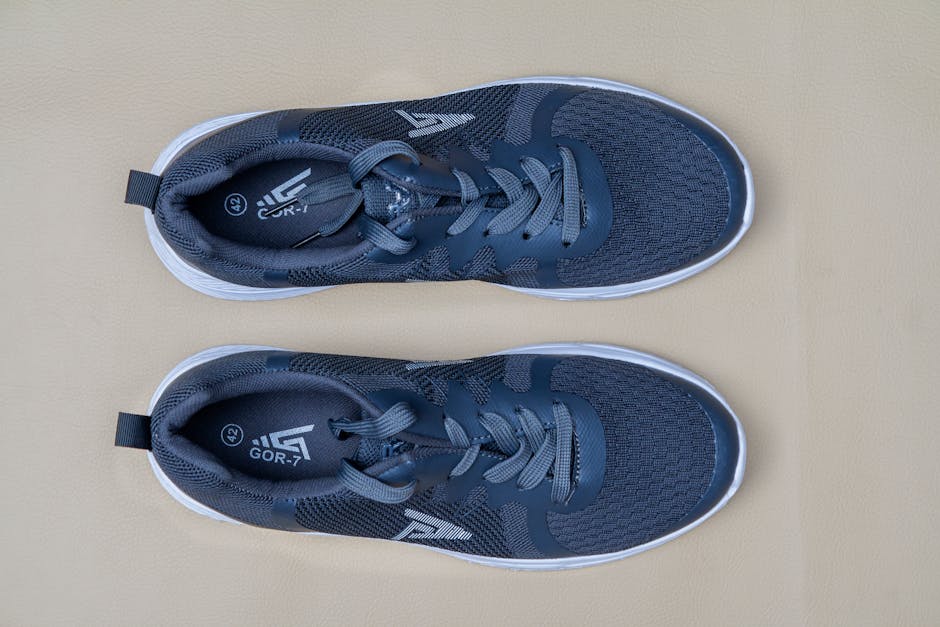
Let’s be real. Not everyone can drop PKR 30,000 on running shoes. If your budget is tight, look for brands like Sparx, Bata, or even some of the more affordable models from Adidas or Nike (often older versions on sale). You won’t get the latest tech, but you can find decent cushioning and reasonable durability for casual running or walking. Don’t expect miracles for hardcore training, but for light jogging or daily walks, they get the job done. Just make sure they fit properly and feel comfortable. Comfort is king, even on a budget.
How to Extend Your Shoe’s Lifespan
Your running shoes are an investment. Treat them right, and they’ll last longer, performing better for more kilometers. Neglect them, and you’ll be replacing them sooner than you’d like. It’s simple care, not rocket science.
How often should I replace my running shoes?
Most running shoes are good for about 500-800 kilometers (300-500 miles). This isn’t a hard and fast rule; it depends heavily on your weight, your running style, and the terrain. Heavier runners and those with a heavier foot strike might see the lower end of that range. If you run mostly on trails, they might wear out faster due to abrasive surfaces. The key signs are visible wear on the outsole (worn-down treads), creases in the midsole, and a noticeable decrease in cushioning or responsiveness. Your body will also tell you: unexplained aches, pains, or increased fatigue after runs are often a clear signal that your shoes are past their prime. Don’t wait until they’re falling apart. Replace them proactively to avoid injury.
Can I wash my running shoes in the machine?
No. Absolutely not. Putting running shoes in a washing machine, especially with hot water and a dryer, will destroy the glues, compromise the integrity of the foam, and shrink or damage the upper materials. The heat is the biggest enemy. If your shoes are dirty, remove the insoles and laces. Use a soft brush (an old toothbrush works great) and mild soap (like dish soap) with cold water to gently scrub off dirt. Rinse them thoroughly with cold water. Let them air dry completely, away from direct sunlight or any heat source. You can stuff them with newspaper to absorb moisture and help maintain their shape. This process might take a day or two, but it’s the only way to clean them without causing damage.
What’s the best way to store them?
Store your running shoes in a cool, dry place. Avoid leaving them in direct sunlight, a hot car, or damp areas. Extreme temperatures, especially heat, will degrade the foam and glues much faster. Damp environments can encourage mold and mildew growth. Keep them untied or loosely tied to allow air circulation. If you have multiple pairs, rotate them; this allows the foam to decompress and dry out between runs, extending the lifespan of each pair. Never store them crumpled or squashed, as this can permanently alter their shape and support structure. Simple care makes a big difference.
Picking the right running shoes in Pakistan isn’t complicated if you stick to the facts: know your foot, prioritize function, and don’t cling to dead shoes.