After years spent battling sun damage and trying to maintain my skin, I’ve learned one non-negotiable truth: hats aren’t just for bad hair days. They’re your first line of defense against UV, and choosing the right one makes all the difference for your face. Forget flimsy fashion hats; we’re talking serious protection that still looks good.
Why UPF Ratings Matter More Than You Think
For too long, I just grabbed any cute straw hat, thinking a brim was enough. What a mistake. After years of diligent skincare – layering serums, slathering on SPF – I realized I was undermining it all with inadequate headwear. The biggest for me was understanding UPF ratings. It’s not just about shade; it’s about the fabric’s actual ability to block UV radiation.
UPF stands for Ultraviolet Protection Factor, and it’s the clothing equivalent of SPF for sunscreen. A UPF 50+ rating means the fabric blocks 98% or more of UVA and UVB rays. Anything less, and you’re leaving your skin vulnerable, even if it feels like you’re covered. This isn’t just about preventing sunburn; it’s about slowing down photoaging, reducing hyperpigmentation, and most importantly, minimizing skin cancer risk. My dermatologist hammered this home, and it shifted my entire approach to sun protection.
Decoding UPF Numbers
Think of UPF numbers like this: UPF 15-24 offers good protection, blocking 93.3-95.9% of UV. UPF 25-39 is very good, blocking 96.0-97.4%. But what you really want, what I always look for now, is UPF 40-50+, which blocks 97.5% or more. Many brands now clearly label their products with these ratings, so there’s no excuse for guessing. If a hat doesn’t have a UPF rating, assume it offers minimal protection, especially if it’s a loosely woven straw.
Fabric Weave vs. UPF
You might think a thick fabric is protective, but it’s not always the case. The weave matters more. A tightly woven synthetic fabric with a high UPF rating will protect you far better than a thick, loosely woven cotton or even a heavy denim. I’ve seen some beautifully designed hats that look substantial but have a loose knit that lets light stream right through. Always hold a hat up to the light. If you can see through it easily, UV can get through easily too. Brands like Sunday Afternoons and Solbari excel at combining tight weaves with comfortable, breathable fabrics, often using nylon or polyester blends specifically engineered for sun protection.
Why a High UPF is Non-Negotiable
For me, a high UPF is now non-negotiable for any hat I wear outdoors for extended periods. It’s the ultimate peace of mind. I’ve spent too much money and effort on serums like SkinCeuticals CE Ferulic to let it all go to waste because of a flimsy hat. A UPF 50+ hat is a foundational piece in my daily skincare routine, just like my sunscreen. It’s not just about stopping sunburn, it’s about cumulative damage, and every little bit helps.
My Go-To Wide-Brimmed Hats for Beach Days

When it comes to serious sun protection for beach trips or long outdoor sessions, I have clear favorites. I’ve tried dozens of wide-brimmed hats over the years, from cheap finds to expensive designer ones, and I’ve settled on a few that consistently deliver both protection and durability. Don’t buy those flimsy fashion hats that barely offer a 2-inch brim; they’re useless.
My top recommendation is usually a Wallaroo hat. They’re a bit of an investment, typically ranging from $50-$75, but they last for years and offer guaranteed UPF 50+. The brims are usually 3.5 inches or wider, which is what you need for proper facial coverage. Another excellent brand is Sunday Afternoons; their designs are often more overtly functional, but they’ve got style too, and their Ultra Adventure Hat is legendary for a reason.
Wallaroo Victoria vs. Sydney
For a stylish, packable option, I usually reach for my Wallaroo Victoria Hat. It has a generous 3.75-inch brim, and it’s made from a flexible poly-braid material that bounces back even after being folded in a suitcase. It costs around $60, and I’ve had mine for three years; it still looks new. For something with a slightly more classic, structured look, the Wallaroo Sydney Hat, priced similarly at about $65, is fantastic. Its 3-inch brim is still very effective, and it’s a bit more polished for resort wear.
Sunday Afternoons Charter Hat Details
If you need maximum coverage, especially for hiking or watersports, the Sunday Afternoons Charter Hat is my absolute favorite. Its 4-inch brim and additional neck veil (which is removable, thank goodness, for everyday wear) offer incredible protection. It’s usually around $58. What I love about this hat is the internal sizing system; you can fine-tune the fit with an adjustable cord, so it stays put even on windy days. I also appreciate that it’s water-resistant and floats, which is a huge bonus for kayaking or paddleboarding. This brand consistently delivers on performance and comfort.
Price Comparison & Durability
Here’s a quick rundown of some solid wide-brim options:
| Brand/Model | Average Price | Brim Width | Key Features |
|---|---|---|---|
| Wallaroo Victoria | $60 | 3.75 inches | Packable, adjustable inner drawstring, UPF 50+ |
| Wallaroo Sydney | $65 | 3 inches | Classic style, adjustable, UPF 50+ |
| Sunday Afternoons Charter | $58 | 4 inches | Removable neck veil, adjustable sizing, water-resistant, UPF 50+ |
| Solbari Wide Brim Hat | $70 | 3.9 inches | Travel-friendly, internal drawstring, UPF 50+ |
| Tilley LTM6 Airflo | $90 | 3.5 inches (front/back), 2.5 inches (sides) | Guaranteed for life, excellent ventilation, floats, UPF 50+ |
My Tilley hat, though the most expensive at around $90, has lasted me over a decade. It’s truly an heirloom piece for sun protection.
Beyond the Beach: Stylish Everyday Sun Protection
You can’t always wear a massive wide-brimmed hat, especially if you’re just running errands or grabbing coffee. But that doesn’t mean you should compromise on sun protection. My goal has always been to integrate sun-protective habits seamlessly into my daily life, so I’ve curated a collection of hats that offer good coverage without making me look like I’m about to climb Mount Everest. It’s about finding that balance between function and fashion, and it’s totally doable.
Here are my top choices for everyday wear, providing excellent sun defense while keeping you stylish:
The Classic Baseball Cap Upgrade
I used to think baseball caps were just for casual sporty looks. Now, I see them as a non-negotiable for everyday face protection. The key is to find one with a longer brim and, ideally, a UPF rating. Avoid the flimsy cotton caps; they let UV through. I swear by the Athleta Mission Statement Cap (around $38). It has a generous 3-inch brim, is made from recycled nylon/spandex, and has a UPF 50+ rating. The fabric is also moisture-wicking, which is great for hot days. It comes in neutral colors, making it versatile enough to pair with anything from activewear to a casual dress. Don’t underestimate how much a good cap can protect your forehead, nose, and the delicate skin around your eyes from direct overhead sun.
Elegant Straw Fedoras
For a more elevated look that still offers significant protection, I love a good straw fedora. The trick is to ensure it’s tightly woven and has at least a 2.5 to 3-inch brim. Brands like Wallaroo offer beautiful straw fedoras with UPF 50+ ratings, like their Wallaroo Josie Fedora (around $65). It’s lightweight, breathable, and the structured brim holds its shape well. I wear mine with summer dresses, linen pants, or even just jeans and a nice top. It instantly elevates an outfit while providing crucial shade for your face. Just be careful with packing these; some are more pliable than others.
Functional Bucket Hats
Bucket hats have made a huge comeback, and I’m here for it, especially the ones designed for sun protection. They offer 360-degree coverage, which is fantastic for your ears and neck – areas often neglected. Look for options with a solid brim width (at least 2.5 inches) and a UPF rating. My go-to is the Sunday Afternoons Sun Guide Cap (around $45). It’s essentially a bucket hat with an extended back flap for extra neck coverage, but the flap can be tucked away for a cleaner look. It’s incredibly lightweight, quick-drying, and of course, UPF 50+. It might look a little ‘outdoorsy’ but in a modern, intentional way, especially in solid colors like olive or navy. It’s perfect for gardening, walking the dog, or any casual outdoor activity where you want reliable, all-around protection.
Hat Maintenance & Storage: Keeping Them Pristine
You’ve invested in a good sun hat for your skin, so you want it to last. Proper care makes a huge difference in longevity and how well it maintains its protective qualities. I’ve learned a few tricks over the years to keep my hats looking good and performing their best, whether they’re a foldable straw or a structured canvas. Neglecting them just means replacing them sooner, and that’s money better spent on more sunscreen.
How do I clean my straw hat?
Many straw hats, especially those made from paper or synthetic straw, aren’t meant to be submerged in water. For light dirt or dust, use a soft-bristled brush (like an old toothbrush) or a lint roller. For minor stains, I gently dab with a slightly damp cloth using mild soap, like a tiny drop of dish soap mixed with water. Test an inconspicuous area first. Let it air dry completely, away from direct sunlight or heat, to prevent warping. Never throw a straw hat in the washing machine; it will destroy its shape.
Can I pack a wide-brimmed hat without crushing it?
This depends entirely on the hat’s material. My Wallaroo Victoria, made from a flexible poly-braid, is a dream for travel. I can roll it up and tuck it into my suitcase, and it springs back into shape. Brands like Sunday Afternoons also offer many crushable or packable styles. For more rigid straw or felt hats, you’ll need a hat box or a dedicated hat packer. If you absolutely must pack a non-crushable hat in a suitcase, stuff the crown with soft clothing to maintain its shape, then lay it flat in the suitcase, surrounding the brim with more clothes to protect it. It’s a risk, though, so I prefer to wear my rigid hats on the plane.
What’s the best way to store multiple hats?
For everyday storage, hanging hats on pegs or hooks is ideal. This allows them to air out and keeps their shape. I have a dedicated rack behind my bedroom door. For longer-term storage or delicate pieces, hat boxes are your best friend. They protect from dust, crushing, and light exposure, which can degrade certain materials over time. Avoid stacking hats on top of each other if they’re not specifically designed for it, as this can distort brims and crowns. Keep them in a cool, dry place, away from direct sunlight or extreme temperature fluctuations.
Visors vs. Full Hats: When to Choose Which
This is a common question, and my answer is pretty firm: for serious sun protection and skincare, full hats win, hands down. Visors have their place, but they don’t offer the comprehensive protection your skin truly needs. I’ve seen too many friends with perfectly un-tanned faces but severely sun-damaged scalps and hairlines because they relied solely on a visor. It’s an easy mistake to make if you’re not thinking about the bigger picture of UV exposure.
Key Differences at a Glance
| Feature | Visor | Full Hat (UPF 50+) |
|---|---|---|
| Face Protection | Good (forehead, eyes) | Excellent (face, nose, cheeks, ears) |
| Scalp Protection | None | Excellent |
| Neck Protection | None | Varies (depends on brim width/style) |
| Airflow/Ventilation | Excellent (open top) | Good (modern designs with vents) |
| Hair Accommodation | Excellent (ponytails, buns) | Can be restrictive for high updos |
| Skincare Impact | Leaves scalp vulnerable | Full scalp and face protection |
| Typical Cost | $15 – $30 | $30 – $90+ |
My Verdict: Full Hats Win For Skincare
While I appreciate a visor for a quick tennis match or when I need to keep my hair in a high bun, I never rely on one for extended sun exposure. My hair and scalp are just as vulnerable to UV damage as my face. Sunburns on the scalp are incredibly painful, and long-term exposure can lead to thinning hair, dryness, and even increase the risk of skin cancer. A full hat, especially one with a UPF 50+ rating and a wide brim, offers superior protection for your entire head. If you’re concerned about airflow, many modern sun hats, like the Tilley Airflo or some Sunday Afternoons models, incorporate mesh ventilation panels without compromising UV blocking. For serious skincare, always choose a full hat.
The Truth About Cheap Sun Hats
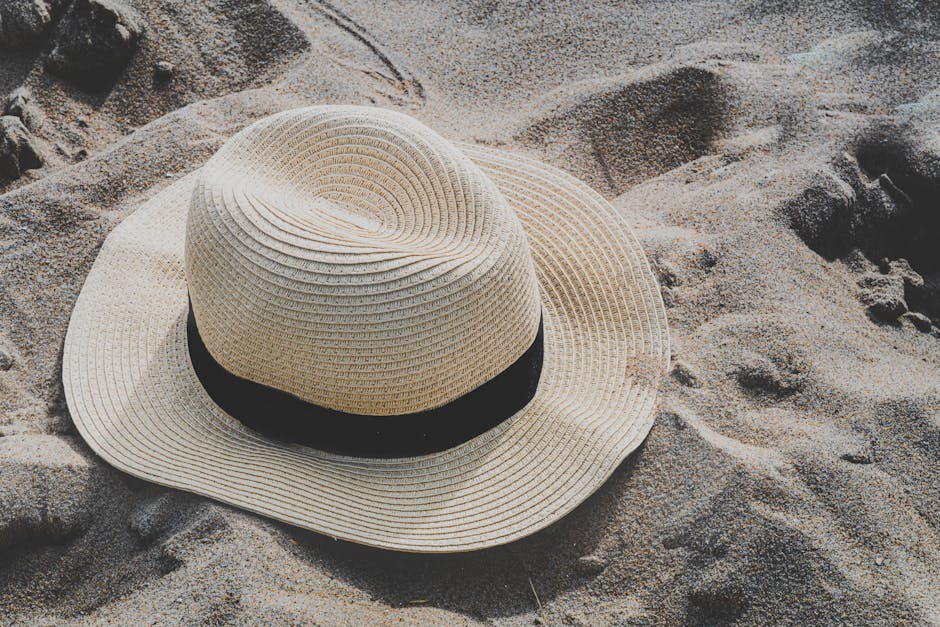
Forget those cute $10 straw hats from fast fashion stores. They offer minimal, if any, real UV protection. You’re better off investing in a hat with a certified UPF rating, even if it costs a bit more. Your skin will thank you.
Finding the Perfect Fit: Sizing and Comfort
A hat is only effective if you actually wear it, and you’ll only wear it if it’s comfortable. I’ve made the mistake of buying hats that were either too tight (hello, headaches!) or too loose (hello, chasing it down the beach!). Getting the right fit is crucial not just for comfort, but also for ensuring the hat stays on and actually provides consistent protection. A hat that keeps blowing off offers zero protection.
Measuring Your Head Properly
Before you buy any hat online, take a moment to measure your head. It’s simple: use a soft tape measure and wrap it around the fullest part of your head, just above your eyebrows and ears. Note the measurement in inches or centimeters. Most hat brands provide sizing charts, often categorizing sizes as S, M, L, or XL based on these measurements. For example, a common medium might be 22-22.75 inches (56-58 cm). Don’t skip this step; it prevents returns and ensures immediate comfort.
Adjustable Features I Look For
Even with a good measurement, slight variations occur between brands. This is why I always prioritize hats with adjustable features. An internal drawstring or a toggle at the back of the hat makes a huge difference. Brands like Wallaroo and Sunday Afternoons frequently incorporate these, allowing you to customize the fit. This is especially useful for windy days or if you have varying hairstyles. A hat that can be tightened slightly means it stays securely on your head without feeling constricting. For sporty hats, an adjustable chin strap is also a must-have, often found on hats like the Sunday Afternoons Ultra Adventure Hat.
Material Breathability and Comfort
Beyond fit, the material affects comfort, especially in hot climates. For me, lightweight, breathable fabrics are key. Look for hats made from performance fabrics like nylon, polyester, or blends that are specifically designed to wick moisture and allow air circulation. Materials like bamboo or certain types of tightly woven natural straw (often with a synthetic liner) can also be very comfortable. Avoid heavy, unvented synthetic materials that trap heat. A comfortable hat is one you’ll actually wear all day, every day, which is the whole point of investing in good sun protection.
My Unpopular Opinion: Baseball Caps Are NOT Enough
Look, I know everyone loves a good baseball cap. They’re stylish, they’re easy, and they offer some shade. But here’s my truly unpopular opinion: for comprehensive sun protection, a standard baseball cap is simply not enough. I’m going to get heat for this, but if your goal is serious anti-aging and sun damage prevention, a baseball cap alone won’t cut it. They leave too much exposed, especially your ears and the sides of your face.
Yes, a cap protects your forehead and the top of your nose from direct overhead sun. That’s great. But think about the angles. UV rays don’t just come from directly above. They bounce off surfaces, they hit you from the sides. Your ears, temples, and neck are constantly exposed with a baseball cap. These are prime areas for sun damage and, frankly, skin cancer. I’ve seen too many people with perfectly protected foreheads but significant sun damage on their ears. It’s a classic sign of relying too heavily on a cap.
If you’re going to wear a baseball cap, I recommend supplementing it heavily. Always wear a broad-spectrum, high-SPF sunscreen, and reapply frequently, especially on your ears and neck. Better yet, choose a cap with a wider brim (like the Athleta Mission Statement Cap I mentioned earlier) or one that incorporates a neck flap. For any extended time outdoors, switch to a wide-brimmed hat. It’s a simple change that offers vastly superior protection and is a non-negotiable for me now. Don’t compromise your skin for convenience.
Ultimately, a good hat is one of the easiest and most effective tools in your skincare arsenal. Find what works for you, prioritize UPF, and wear it consistently. Your future skin will thank you.