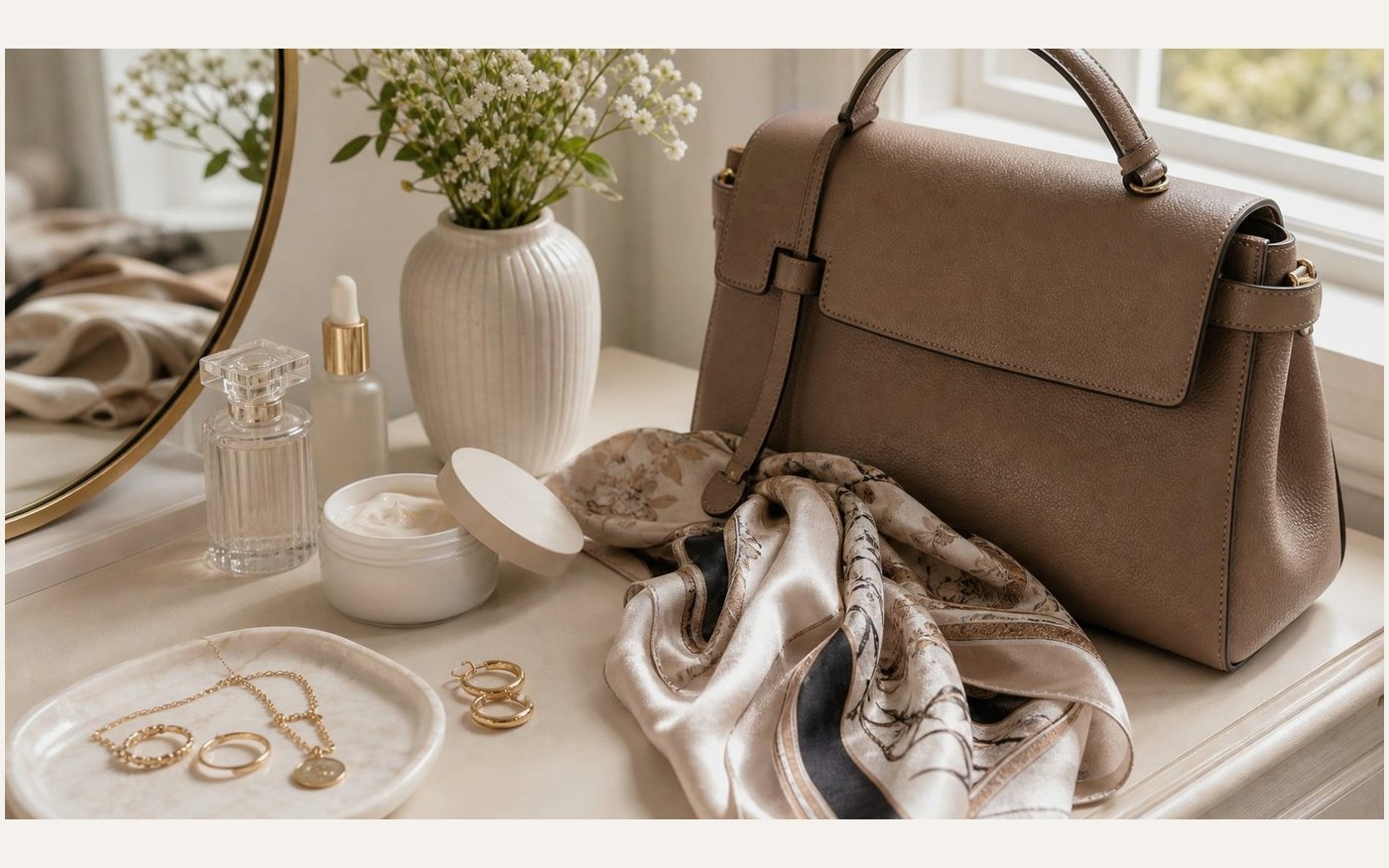
You are standing in front of your wardrobe, perhaps preparing for a morning commute through the damp streets of London or a weekend lunch in the Cotswolds, and you notice a familiar pattern. There, on the shelf, sits a collection of bags that seemed like a good idea at the time—high-street impulse buys with fraying straps, peeling synthetic edges, and zippers that catch more than they glide. The realization hits that while these pieces served a temporary purpose, they lack the structural integrity and soul of true British craftsmanship. This isn’t just about vanity; it is about the intersection of utility, longevity, and the subtle language of style that a well-made accessory speaks. The search for the best handbag brands in the UK often begins at this exact moment of frustration, leading toward a deeper appreciation for the labels that prioritize substance over fast-moving trends.
The British handbag market is currently experiencing a fascinating divergence. On one side, we have the storied heritage houses that have weathered decades of economic shifts by leaning into their artisanal roots. On the other, a surge of contemporary designers is redefining ‘affordable luxury’ by focusing on direct-to-consumer models and ethical production. Understanding the landscape requires more than just looking at a logo. It involves examining the weight of the leather, the origin of the hardware, and the brand’s commitment to repairability. Whether you are looking for a robust work tote that can survive a decade of use or a sculptural piece for special occasions, the UK offers a spectrum of options that rival the famous houses of Paris and Milan.
Which British heritage handbag brands offer the best investment value?
When discussing British leather goods, the conversation inevitably centers on Mulberry. Founded in 1971 in Somerset, Mulberry remains the titan of the UK industry. Their commitment to domestic manufacturing is notable; they still produce a significant portion of their bags in their two Somerset factories, ‘The Rookery’ and ‘The Willows.’ This local production allows for a level of quality control that is increasingly rare in global luxury. The Mulberry Bayswater (approx. £1,150) remains the benchmark for a professional tote. Its heavy-grain leather is designed to soften but not lose its shape, and the signature Postman’s Lock is a piece of hardware that has become synonymous with British understatedness. A significant pro of investing in Mulberry is their ‘Mulberry Exchange’ program, which allows owners to trade in their old bags for credit, or purchase authenticated pre-loved pieces. The main con, however, is the weight; high-quality, thick leather and solid brass hardware make these bags significantly heavier than their contemporary competitors.
Anya Hindmarch represents a different facet of British heritage—one that blends impeccable craftsmanship with a sense of wit and social consciousness. While Hindmarch is known for her playful ‘Eyes’ motif, her recent ‘I Am A Plastic Bag’ and ‘Return to Nature’ collections have set a high bar for environmental responsibility in the luxury sector. The Anya Hindmarch Neeson Tote (approx. £695) is a masterclass in leather weaving, taking several days to hand-finish. This brand appeals to those who want the quality of a heritage label without the stiff formality often associated with traditional leather goods. The trade-off is often the price-to-size ratio; you are paying for the design innovation and ethical sourcing as much as the raw materials.
Comparison of Heritage Investment Pieces
| Brand | Model | Price (Approx) | Primary Benefit | Potential Drawback |
|---|---|---|---|---|
| Mulberry | Bayswater | £1,150 | High resale value and repair service | Considerable physical weight |
| Anya Hindmarch | Neeson Tote | £695 | Intricate hand-woven leather | Less structured than traditional totes |
| Launer London | Traviata | £2,500 | Royal Warrant holder, bespoke options | Very formal aesthetic |
What are the best contemporary UK handbag brands for under £500?

The middle market is where the most exciting growth is happening in British fashion. Brands like Strathberry have transformed the landscape by offering luxury-level materials at a price point that doesn’t require a second mortgage. Based in Edinburgh, Strathberry gained international fame when the Duchess of Sussex was spotted carrying their designs. Their signature feature is the gold-toned bar closure, which isn’t just aesthetic but serves as a functional security measure for the flap. The Strathberry East/West (approx. £545) uses Spanish leathers and is assembled by artisans who formerly worked for much more expensive European houses. The leather has a smooth, matte finish that feels incredibly premium. One downside is that the bar closure can be slightly fiddly to operate one-handed until you get used to the mechanism.
Aspinal of London is another heavyweight in this category. Despite the name, they are based in the South Downs of West Sussex. They specialize in a more ‘English Country’ aesthetic, often utilizing croc-effect leathers and deep jewel tones. The Aspinal Mayfair Bag (approx. £595) is their most recognizable silhouette, featuring a vintage-inspired boxy shape and a shield lock. Aspinal excels in personalization; their embossing service is among the best in the country. However, some critics argue that their designs can lean toward the conservative side, which might not appeal to those seeking a more avant-garde look.
For those who prefer a minimalist, architectural vibe, DeMellier is the brand to watch. Founded by Mireia Llusia-Lindh, the brand focuses on ‘A Bag, A Life’—a permanent initiative that funds life-saving vaccines for children in need for every bag sold. The DeMellier Vancouver (approx. £370) is a sleek, cross-body bag that has become a staple for the modern professional. It offers a clean aesthetic without excessive branding. The leather used by DeMellier is often thinner and more lightweight than Mulberry’s, which is a pro for comfort but may mean the bag shows wear on the corners slightly faster if not properly cared for.
How to identify quality leather and craftsmanship in UK-made bags?
To truly understand why one bag costs £50 and another £500, we have to look at the technicalities of the material and the construction. Most high-street bags are made from ‘genuine leather,’ which is actually a marketing term for the lowest grade of real leather, often composed of several layers bonded together with glue and painted to look uniform. In contrast, the best UK brands typically use Full-Grain or Top-Grain leather. Full-grain leather retains the natural hide’s top layer, including all the pores and fibers, making it incredibly durable and capable of developing a patina over time. If you see a bag that looks ‘too perfect’ and feels like plastic, it is likely heavily corrected with chemicals.
Another marker of quality is the Edge Painting. Look at the edges of the straps or the top rim of the bag. On a high-quality piece, these edges are sanded, sealed, and painted by hand in multiple layers. This prevents the leather from fraying and protects it from moisture. In cheaper manufacturing, these edges are often left raw or covered with a thin plastic piping that will eventually crack and peel. Furthermore, pay attention to the Stitch Density. High-end British makers like Tusting or Mulberry use a higher number of stitches per inch. This isn’t just for looks; tighter stitching provides more structural reinforcement at stress points like where the handle meets the body of the bag.
Handbag longevity is often determined by the hardware. Solid brass hardware, frequently used by heritage brands, will tarnish slightly over time but can be polished back to a shine. Zinc alloy hardware, common in cheaper bags, is brittle and the gold or silver plating will eventually flake off, exposing a greyish metal underneath that cannot be repaired.
Key Technical Indicators of Quality
- Leather Type: Full-grain or vegetable-tanned (smells like earth/wood, not chemicals).
- Hardware: Solid brass or stainless steel with a heavy, cold feel.
- Lining: Suede, high-quality cotton twill, or silk rather than polyester or synthetic blends.
- Stitching: Straight, consistent, and back-stitched at the ends for security.
- Support: Feet on the bottom of the bag to prevent the leather from touching dirty surfaces.
Are there sustainable and artisan British bag makers you should know?
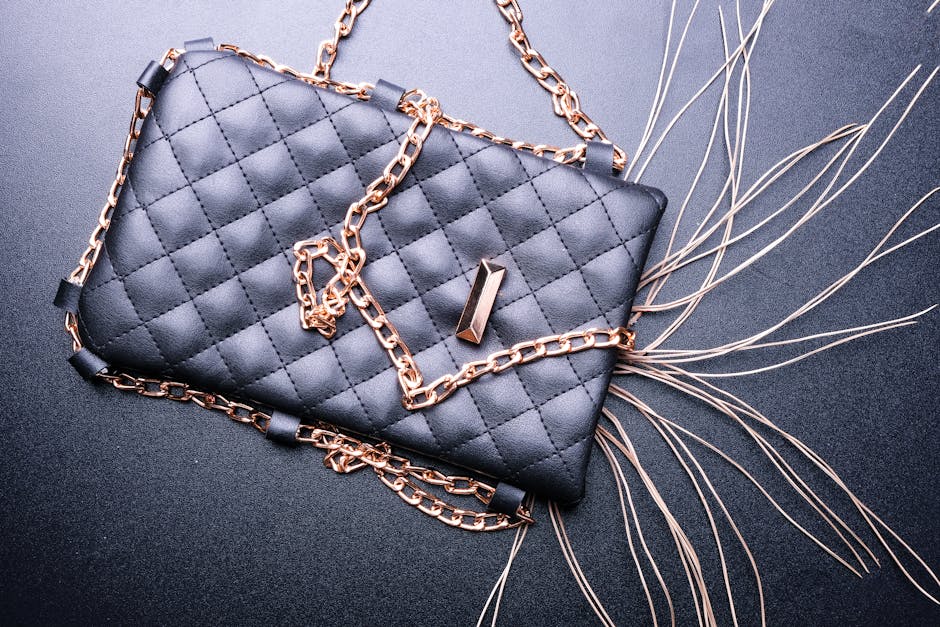
Beyond the big names found on Bond Street, there is a thriving community of artisan makers who produce bags in small batches, often using traditional saddlery techniques. Tusting is a prime example. Located in Lavendon, they have been a family-run tannery and leather goods manufacturer since 1875. Their bags have a rugged, heirloom quality that feels distinctly British. The Tusting Cardington (approx. £345) is a classic cartridge-style bag that works as well in the city as it does in the countryside. The beauty of a brand like Tusting is the transparency; you can often speak to the people who actually oversee the production. The leather is thick and the designs are functional, though they lack the ‘trend’ appeal of brands like Strathberry.
Mimi Berry is another designer who has garnered a cult following for her clean, functional designs produced in the UK. Using vegetable-tanned leathers that age beautifully, Mimi Berry bags are devoid of loud logos, appealing to the ‘quiet luxury’ movement. The Mimi Berry Hebe (approx. £320) is a structured top-handle bag that feels like something discovered in a vintage shop but with modern proportions. Because vegetable tanning uses natural tannins found in bark and leaves, the process takes much longer than chemical chrome tanning, but the result is a leather that is biodegradable and hypoallergenic.
Finally, Glencroft offers a unique proposition for those interested in regional British materials. Based in the Yorkshire Dales, they produce bags using British sheepskin and rugged leathers. While their range is smaller, their commitment to the ‘British Wool’ mark and local supply chains is exemplary. Their bags are built for the elements—think thick hides and sturdy buckles. The downside is a more limited color palette, usually restricted to natural tans, browns, and blacks, reflecting the organic nature of their materials.
How to care for and maintain a luxury British handbag?
Owning a high-quality bag is a responsibility as much as a pleasure. The climate in the UK, characterized by frequent rain and humidity, can be particularly harsh on natural leather. The first step in maintenance is protection. Before taking a new bag out, it should be treated with a high-quality water and stain repellent spray, specifically one designed for the type of leather (suede requires a different formula than smooth calfskin). This creates a microscopic barrier that prevents water spots from becoming permanent scars on the hide.
Conditioning is the second pillar of care. Much like our own skin, leather can dry out and crack if left untreated. Every six months, apply a leather conditioner with a soft microfiber cloth. This replenishes the oils in the leather, keeping it supple and preventing the fibers from snapping under tension. For vegetable-tanned bags, a wax-based conditioner is often best, as it enhances the natural patina. However, always test a small, inconspicuous area first, as conditioners can slightly darken the leather.
Storage is the final piece of the puzzle. Never store a leather bag in a plastic bag; leather needs to breathe, and plastic can trap moisture, leading to mold or mildew. Use the cotton dust bag that came with the purchase. To maintain the shape, stuff the bag with acid-free tissue paper or a clean old t-shirt. Avoid using newspaper, as the ink can transfer onto the lining. If your bag does get wet in a British downpour, do not place it near a radiator. Heat will cause the leather to shrink and become brittle. Instead, wipe it down with a dry cloth and let it air dry naturally at room temperature.
Annual Maintenance Checklist
- Inspect Hardware: Check for loose screws on locks or handle attachments. Tighten gently if necessary.
- Clean Lining: Pull the lining out if possible and use a lint roller to remove debris. Spot clean with a damp cloth if needed.
- Rotate Use: Avoid carrying the same bag every single day. Giving the leather ‘rest days’ allows it to recover its shape.
- Professional Refurbishment: For heritage brands like Mulberry, consider sending the bag back to the manufacturer every 5 years for a professional ‘spa’ treatment.
The British handbag industry is a testament to the idea that style and durability are not mutually exclusive. By choosing a brand that invests in quality materials and local craftsmanship, you are not just buying an accessory; you are supporting a legacy of skilled labor and making a choice for sustainability through longevity. Whether it is the rugged charm of a Tusting satchel or the refined elegance of a Strathberry tote, these bags are designed to be part of your story for decades, eventually becoming the vintage treasures that the next generation will covet.