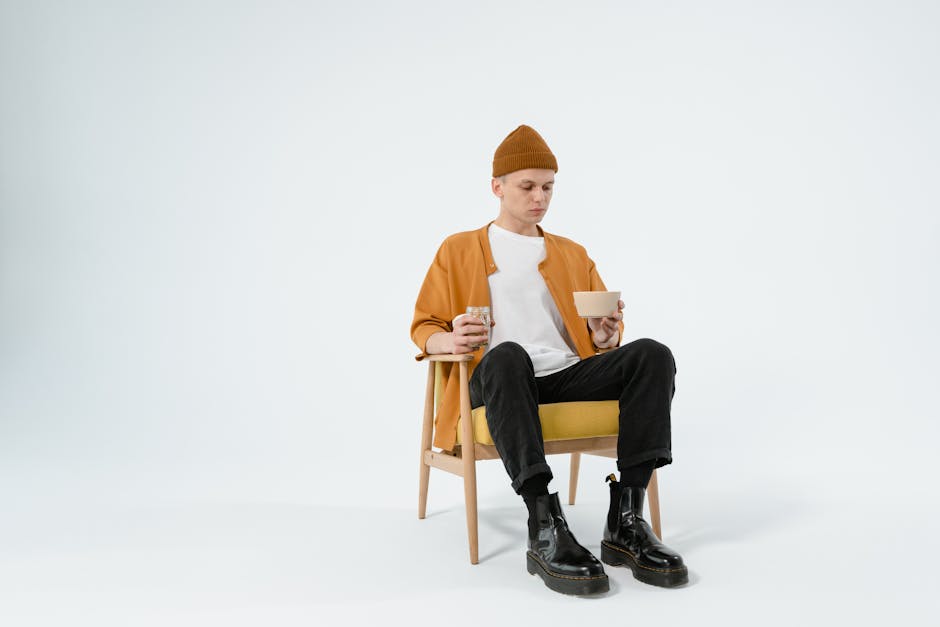
Finding the perfect balance between comfort and sophistication often feels like a sartorial puzzle, but the loafer is the one piece that consistently solves it. While many footwear trends flicker out after a single season, the loafer remains a permanent fixture because it bridges the gap between the casual ease of a sneaker and the rigid formality of an oxford. My own perspective shifted about six years ago when I paired a battered pair of thrifted leather loafers with cropped straight-leg jeans and a simple white tee. It clicked instantly. The key isn’t the shoe itself; it’s the tension between the polished leather and the casual elements of the rest of the look. Over the years, I’ve cycled through dozens of pairs—from the buttery soft Italian versions that feel like slippers to the heavy-duty lug soles that could probably survive a hike. If you are looking for the best loafers outfit, the secret usually lies in the hemline of your pants, the weight of your socks, and the specific texture of the leather you choose.
Styling Loafers with Straight-Leg Denim for Casual Days
There is a specific magic that happens when you mix denim with a structured loafer. In my experience, the straight-leg cut is the gold standard for this pairing. You want a hem that hits just above the ankle bone—roughly one to two inches above the top of the shoe. This small gap of skin—or a peek of a high-quality sock—prevents the outfit from looking too heavy or “dumpy.” I personally swear by the Levi’s 501 Crop paired with a classic bit loafer. When I wear this, I usually tuck in a crisp button-down or a high-neck bodysuit to keep the silhouette clean and elongated. It’s my go-to for coffee dates or afternoon meetings where I want to look like I tried, but not too hard.
One mistake I made early on was trying to wear loafers with skinny jeans. While some people pull it off, I found it made my feet look disproportionately large, especially with chunkier styles. If you’re going for a more relaxed vibe, try a light-wash denim with a raw hem. The contrast between the light, casual fabric and a dark chocolate or black leather loafer creates a visual anchor that grounds the outfit. For shoes, the Sam Edelman Loraine Bit Loafer (approx. $150) is a fantastic entry point. Specs: 100% leather upper, synthetic sole, 0.5-inch heel, and a padded insole. Pro: They are incredibly soft right out of the box with almost no break-in period, and the heel is foldable so you can wear them as a mule. Con: The leather is quite thin, so they don’t hold their shape as well over several years as a stiffer hide would, often developing “crease lines” near the toe box relatively quickly.
Professional Loafer Outfits for the Modern Office
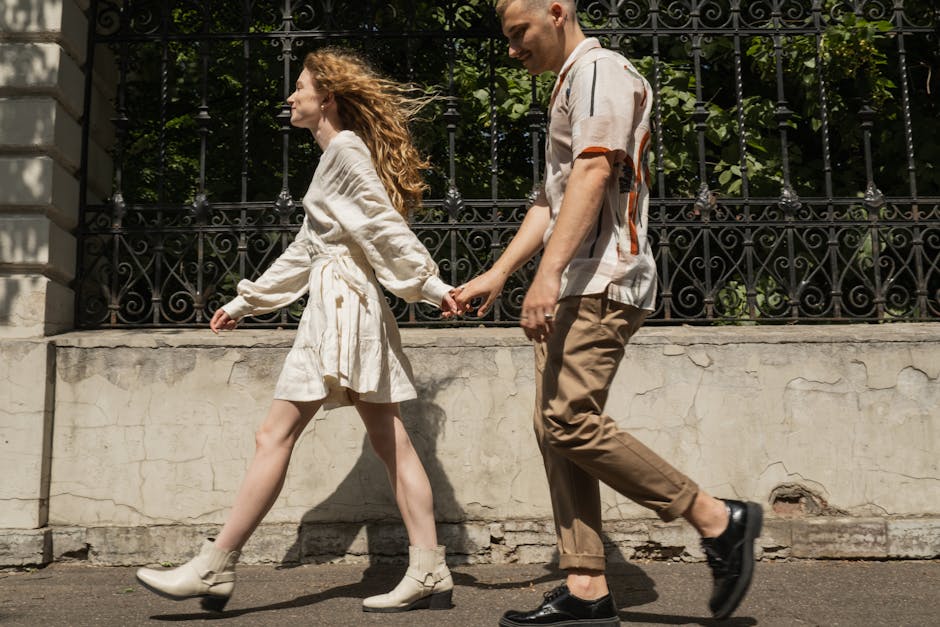
The corporate world has moved away from the mandatory heel, and my feet have never been happier. When styling loafers for work, I lean toward tailored trousers. However, the length is critical. If your trousers are too long and puddle over the loafer, you lose the sleekness of the shoe and end up looking like you’re wearing your father’s suit. I prefer a slight taper or a wide-leg cropped pant that allows the hardware of the loafer (like a horsebit or a tassel) to remain visible. A high-waisted wool trouser in charcoal or navy, paired with a black pointed-toe loafer, looks incredibly sharp. I’ve found that adding a belt that matches the leather of your shoes ties the whole look together in a way that feels intentional rather than accidental.
For a more formal office environment, I suggest sticking to a slim profile loafer rather than a platform. The Gucci Jordaan Loafer (approx. $920) is the gold standard here. Specs: Made in Italy, slim silhouette, elongated toe, 0.5-inch heel, goat leather construction. Pro: The silhouette is timeless and works with everything from suits to dresses; it is significantly slimmer than the Gucci Brixton model, making it more professional. Con: The leather sole is very slippery and wears down quickly, so I had to pay an extra $40 to have a cobbler add a rubber half-sole for grip and longevity. If that price point is too high, look for a similar almond-toe shape to maintain that professional elegance without the four-figure investment.
The Mini Skirt and Loafer Combo for a Modern Aesthetic
If you’ve spent any time on social media lately, you’ve seen the “Dark Academia” or “Preppy” aesthetic. I was hesitant to try the mini skirt and loafer look because I didn’t want to look like I was wearing a school uniform. The trick I discovered is to play with proportions and textures. Instead of a pleated plaid skirt, I go for a black A-line leather skirt or a heavy wool tweed. Pairing this with a chunky loafer balances the daintiness of the skirt. It creates a “top-heavy” visual that feels very current and intentional. This look also works beautifully with oversized blazers, which help to de-emphasize the “schoolgirl” vibe and move it into the realm of high-fashion street style.
This is the one scenario where I think a platform loafer is non-negotiable. A slim loafer with a mini skirt can sometimes feel a bit dated or overly conservative, but a lug sole adds a needed edge. I often reach for my Dr. Martens Adrian Snaffle Loafers (approx. $150) for this. Specs: Smooth or Arcadia leather, 1.25-inch platform, air-cushioned sole, Goodyear-welted construction. Pro: They are virtually indestructible and the platform gives you a bit of height without the pain of a heel. Con: The break-in period is legendary for being painful. I had to wear thick socks and use a hair dryer to soften the leather for about two weeks before I could wear them for a full day. But once they mold to your feet, they are incredibly comfortable for long-distance walking.
Comparing Chunky Lug Soles vs. Classic Slim Profiles

Choosing between a chunky loafer and a classic slim one depends entirely on your personal style and the occasion. I’ve spent years experimenting with both, and I’ve realized they serve very different purposes in a wardrobe. A slim loafer is your “safe” bet—it’s refined, it’s quiet luxury, and it never goes out of style. A chunky loafer is a statement. It’s bold, it’s a bit aggressive, and it adds a modern “cool girl” factor to even the most basic outfit. Below is a breakdown of how these two styles compare across various metrics.
| Feature | Classic Slim Loafer | Chunky Lug Sole Loafer |
|---|---|---|
| Best For | Office, formal events, skinny/straight trousers | Casual wear, mini skirts, wide-leg jeans |
| Weight | Lightweight, easy for travel | Heavy, can be tiring for long walks initially |
| Formality | High (Business Professional) | Moderate to Low (Streetwear/Casual) |
| Durability | Often requires resoling; thinner leather | Rubber soles last for years; thicker leather |
| Typical Heel Height | 0.5 inches to 0.75 inches | 1.25 inches to 2 inches |
I personally keep one of each. My slim loafers are for when I want to feel sophisticated and “put together.” My chunky ones are for when I’m wearing an oversized blazer and want to look like I have a bit of an attitude. If you’re only buying one, I’d suggest a “mid-sole” option—something like the Madewell Bradley Loafer (approx. $150). It has a slightly thicker sole than a traditional dress shoe but isn’t a full-blown platform. It’s the most versatile middle ground I’ve found for those who want one shoe to do everything.
Decoding Leather Types: Which Material is Best?
Not all leather is created equal, and the type of hide used for your loafers will dictate how they age and how you should style them. When I first started buying loafers, I didn’t realize that “patent leather” behaved so differently from “pebbled leather.” Understanding these nuances can save you from a lot of discomfort and buyer’s remorse.
- Box Calf Leather: This is a high-quality, smooth leather often found on luxury loafers. It has a beautiful sheen and holds its shape well, but it is prone to visible creasing.
- Pebbled (Grain) Leather: This has a textured, bumpy surface. It is incredibly durable and hides scratches and creases much better than smooth leather. It’s perfect for a more rugged, casual loafer.
- Patent Leather: This is leather treated with a high-gloss plastic finish. It’s waterproof and very formal, but it doesn’t stretch at all. If patent loafers feel tight in the store, they will likely stay tight forever.
- Suede: The softest and most comfortable option, but also the most fragile. Suede loafers offer a more relaxed, “Italian summer” vibe but require constant protection from moisture.
The Great Sock Debate: How to Wear Loafers with Socks

For years, the rule was “no socks with loafers.” I followed this religiously, which resulted in a lot of blisters and ruined shoe linings. Then, the trend shifted, and suddenly white crew socks with black loafers were everywhere. I’ll be honest: I hated it at first. It felt too much like 1950s middle school. But I tried it one day with a pair of cropped black trousers and a trench coat, and I was a convert. The key is the quality of the sock. Don’t use your gym socks. You need a ribbed, slightly thicker cotton sock that holds its shape and doesn’t slouch into the shoe.
If you aren’t ready for the bold white sock look, I highly recommend sheer black socks or even a subtle glitter knit for the evening. It adds a layer of texture that looks very high-fashion. When I want the sockless look, I use Bombas No-Show Socks (approx. $13 per pair). Pro: They have a silicone grip on the heel that actually stays up, which is rare. Con: They can be a bit thick, so if your loafers are already tight, these might make them feel suffocating. In my experience, buying loafers a half-size up is often necessary if you plan on wearing any kind of sock with them, as it provides that extra millimeter of breathing room for your toes.
Seasonal Transitions: Wearing Loafers in Spring and Fall
Loafers are the ultimate transitional shoe. In the spring, I love pairing tan or cream suede loafers with white denim and a light knit sweater. There’s something so fresh about a lighter color palette after a long winter. However, suede is temperamental. I learned the hard way that one spring rain shower can ruin a pair of light-colored loafers. I now use a heavy-duty water repellent spray on all my suede shoes before they ever leave the house.
In the fall, I switch to heavier textures. Think corduroy, wool, and dark leathers. A burgundy or “oxblood” loafer is a secret weapon for fall dressing. It acts as a neutral but adds more depth than basic black. I love wearing my G.H. Bass Weejuns (approx. $110) during the autumn months. Specs: Corrected grain leather, hand-stitched seams, unlined interior. Pro: The corrected grain leather is very water-resistant and handles the elements well. Con: They are notoriously stiff. I’ve found that wearing them around the house with damp socks—don’t judge me, it works—helps stretch the leather to your foot shape much faster than just suffering through the blisters. The dampness softens the fibers, allowing the leather to “set” in a shape that accommodates your specific foot width.
Maintenance and Care: Keeping Your Loafers Pristine
If you’re going to invest in a good pair of loafers, you have to take care of them. I used to be lazy about this, and my shoes looked trashed within a season. Now, I have a ritual. For leather loafers, I use a cedar shoe tree. This was a tip I picked up from a high-end shoe salesman, and it actually works. The cedar absorbs moisture and helps the leather retain its shape, preventing those ugly deep creases across the toe box. It also makes your closet smell great.
Regularly conditioning your leather is more important than polishing. Polish covers up scuffs, but conditioner keeps the leather from cracking in the first place. Think of it like moisturizer for your skin.
For suede, a brass-bristle brush is essential. It pulls the dust out of the nap and keeps the material looking “alive” rather than matted down. If I get a salt stain or a water mark, I use a suede eraser before brushing. For the soles, especially if they are leather, I try to avoid wearing them on extremely wet days. If they do get soaked, I let them air dry away from direct heat. I once put a pair of wet loafers near a radiator, and the leather dried so fast it became brittle and cracked. Lesson learned. A little bit of preventative care will easily double the life of your shoes, making that $200 or $900 investment much easier to justify over several years of wear.
Common Loafer Styling Mistakes to Avoid
Even with the best intentions, it’s easy to miss the mark when styling loafers. One of the most common mistakes is wearing the wrong pant length. If your trousers break over the shoe, it creates a visual “stutter” that makes you look shorter. Aim for a “no-break” look where the hem just kisses the top of the loafer or stays slightly above it. Another mistake is ignoring the “weight” of the shoe in relation to the outfit. A very delicate, thin-soled loafer will look lost under heavy, wide-leg cargo pants. Conversely, a massive lug-sole loafer can overwhelm a light, flowy silk dress. Always try to match the “visual weight” of your shoes to the heaviest piece of your clothing to ensure the outfit feels balanced from head to toe.