Most activewear is made from polyester, nylon, or spandex — and synthetics genuinely dominate gym floors for good reason. But skin irritation, persistent odor, and the everyday discomfort of wearing plastic-derived fabrics for hours have pushed a lot of people toward natural fibers. The challenge is that not all natural fibers behave the same way during exercise, and buying the wrong one is how you end up soaked, chafed, and frustrated halfway through a run.
Why Cotton Fails During Exercise — and What That Tells You About All Natural Fibers
Grab any piece of cotton athletic wear and you’ll notice one thing: it feels great in the store and terrible by minute fifteen of actual movement. This isn’t a quality problem. It’s a physics problem.
Cotton absorbs moisture aggressively — up to 27 times its weight in water. That sounds impressive until you’re wearing it. Once saturated, cotton holds onto sweat instead of releasing it, which means the fabric stays wet against your skin for the entire workout.
What Happens When Cotton Saturates
The saturation point comes fast during moderate cardio. A 30-minute run in a 100% cotton shirt leaves most people in a garment that has added noticeable weight and is dragging against their skin. Cold environments make this worse — wet cotton loses almost all its insulating ability, which is why “cotton kills” is standard advice in hiking and mountaineering circles.
Chafing is the other consequence. Wet cotton moves differently against skin than dry cotton, and the friction from repeated motion during long runs, spin classes, or anything with repetitive arm movement creates real skin irritation. Under-arm seams in saturated shirts are particularly bad.
When Cotton Is Actually Fine
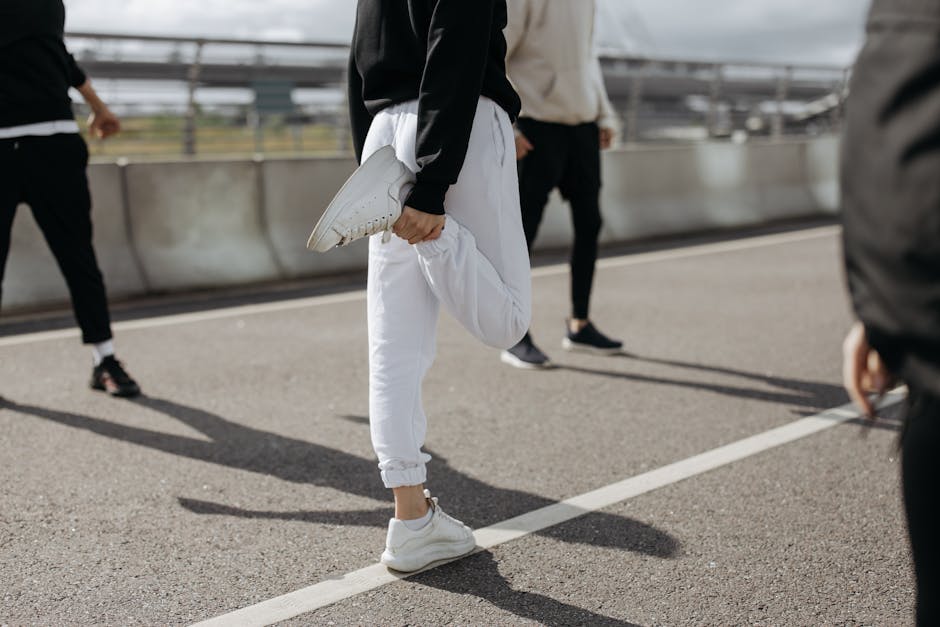
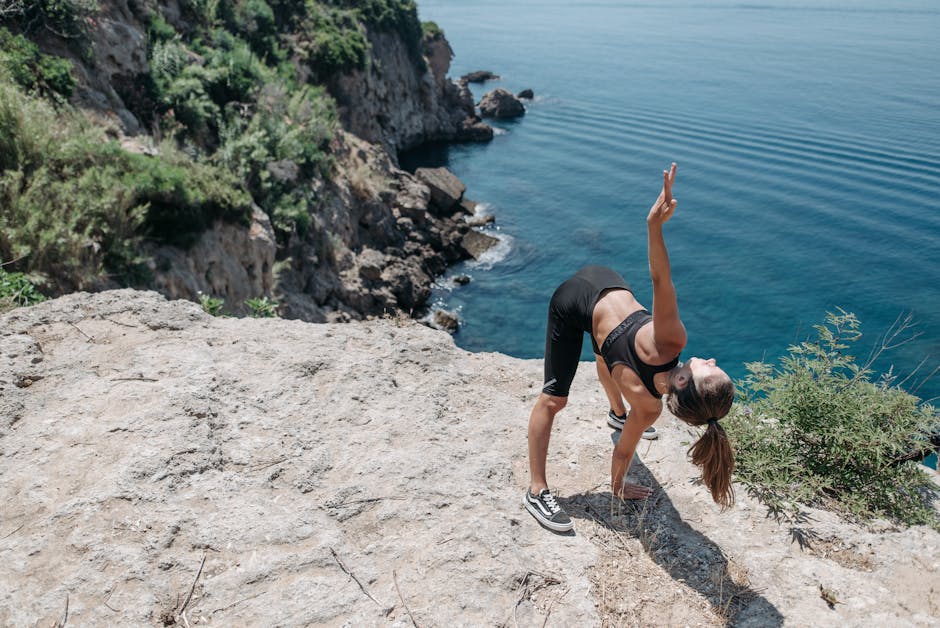
Low-intensity movement: yoga, Pilates, walking, stretching, or any activity where you’re not generating significant sweat. The breathability is good, the feel is comfortable, and if you’re doing a gentle flow class, the saturation problem never arrives. For these use cases, cotton is not your enemy.
The point isn’t that natural fibers are bad for workouts. It’s that moisture management varies dramatically between natural fibers — and cotton sits at the wrong end of that spectrum for anything beyond low-intensity movement.
What This Means for Every Other Natural Fiber
The question to ask about any natural fiber is: what does it do with moisture? Cotton absorbs and holds. Merino wool absorbs and then releases moisture through evaporation. Bamboo-derived fabrics wick and evaporate. Linen moves moisture quickly but dries with more stiffness than most activewear wearers find comfortable. Once you understand that framework, you can make a real decision about which fiber fits which activity — rather than defaulting to whatever the activewear aisle happens to stock.
Natural Fiber Performance: Side-by-Side Comparison
The fibers most commonly found in activewear — and the ones worth understanding before you spend anything:
| Fiber | Moisture Management | Odor Resistance | Breathability | Stretch | Durability | Price Range | Best For |
|---|---|---|---|---|---|---|---|
| Merino Wool | Excellent — absorbs then releases through evaporation | Excellent — lanolin naturally inhibits odor-causing bacteria | High | Moderate (better in blends with nylon) | Moderate — pills under sustained friction | $65–$130 | Running, hiking, yoga, cold-weather training |
| Bamboo / TENCEL Lyocell | Good — soft wicking, gentle evaporation | Good | High | Good, especially in TENCEL blends | Good | $35–$80 | Hot yoga, heated studio classes, low-to-moderate intensity |
| Organic Cotton | Poor for high intensity — absorbs and holds moisture | Moderate | Moderate | Low without added spandex | High | $30–$90 | Yoga, Pilates, casual movement, light strength work |
| Linen | Good — moves moisture away from skin quickly | Moderate | Very High | Very Low | High with age | $40–$100 | Hot-weather walking, outdoor yoga, casual wear |
| Silk | Moderate | Low | Moderate | Low | Low — fragile under active use | $80–$200+ | Not recommended for workouts |
Silk is included because it shows up in luxury activewear marketing occasionally. It’s a novelty choice — fragile, expensive, and offers no performance advantage over merino or bamboo. Skip it for anything involving sustained movement or real sweat output.
Merino Wool Outperforms Every Other Natural Fiber for Active Use
Merino wool is the correct answer for most workout situations where you want a natural fiber. Not because it’s trendy, but because its physical properties solve the exact problems that make other natural fibers frustrating during exercise.
What Makes Merino Different from Regular Wool
Regular wool fibers measure 30–40 microns in diameter. Merino fibers measure 15–24 microns. That difference in fineness means merino bends when it contacts skin rather than scratching it — eliminating the itch problem that makes most people associate wool with discomfort.
Merino also has a unique moisture response. The fiber absorbs up to 30% of its weight in moisture while still feeling dry to the touch. That absorbed moisture then evaporates through the fabric rather than sitting against your skin. The result is temperature regulation that’s genuinely hard to match with other natural materials: cool when you’re warm, warm when you’re cool.
The odor resistance matters practically. Wool’s natural lanolin creates an environment where odor-causing bacteria multiply slowly. A merino shirt can survive multiple workouts before needing washing — something no cotton shirt can claim. For travel, backpacking trips, or simply reducing laundry frequency, that property has real everyday value.
Specific Merino Workout Products Worth Owning
Icebreaker 200 Oasis Long Sleeve Crewe (~$90): The 200 weight is a lightweight merino base layer that works across running, hiking, and studio workouts. Icebreaker publishes the micron spec openly — 17.5 microns — which means it feels nothing like traditional wool against skin.
Smartwool Merino 150 Base Layer Top (~$75): Slightly lighter than the Icebreaker 200, better suited to warmer conditions or higher-intensity activities. Holds up well to repeated machine washing, which is the durability test that actually matters.
Patagonia Merino 1 Silkweight T-Shirt (~$79): A solid merino option from a brand better known for synthetics. Slightly looser fit than Icebreaker’s cut — better for people who run warm or prefer less compression in a base layer.
The real drawback: merino pills faster than synthetic fabric under high-friction conditions. Backpack straps, heavy resistance training with equipment, or anything involving repeated rubbing against external surfaces will shorten the lifespan. Keep merino for running, yoga, hiking, and studio workouts — not for activities where fabric contacts equipment repeatedly.
Matching Natural Fiber to Activity Type
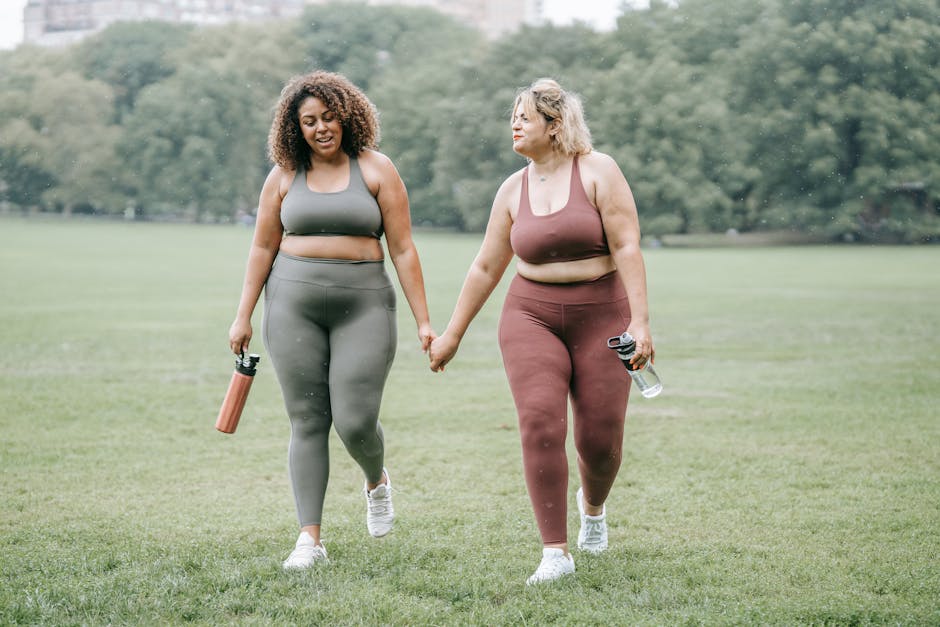
A straightforward framework, activity by activity:
- Running (moderate pace, up to 60 minutes): Lightweight merino, like the Icebreaker 150 Zone Short Sleeve (~$70). Temperature regulates well and odor resistance means two runs before washing is realistic.
- Hot yoga or heated studio class: Bamboo or TENCEL-based fabrics. Boody Bamboo Active Tights (~$55) are a strong entry point — the softness works well in a 90°F studio where you’re not generating the same impact friction as outdoor running.
- Day hiking or multi-day backpacking: Merino in whatever weight matches the expected temperature. Smartwool and Icebreaker publish exact gram-weight specs — 150g for warm conditions, 250g for cool, 350g for cold. Use those numbers, not the vague size labels.
- Pilates or gentle yoga: Organic cotton works here. prAna’s organic cotton legging line ($65–$90) holds up across years of studio use, and the lower intensity means cotton’s moisture problem stays fully manageable.
- HIIT, CrossFit, or high-intensity interval training: Go synthetic. Natural fibers don’t deliver the stretch, durability, or sweat management that this category demands. This is the one workout type where polyester and nylon genuinely win and there’s no point fighting it.
- Cold-weather outdoor training: Merino heavyweight (250g+) as a base layer under a shell. Smartwool’s Merino 250 Base Layer handles the temperature range well without bulk.
- Gym strength training: Organic cotton or a cotton-spandex blend. The intensity produces moderate sweat, movement is slower and controlled, and cotton’s comfort during deliberate exercise becomes an advantage rather than a liability.
The HIIT exception is worth sitting with. Natural fiber advocates sometimes oversell the category. Switching to natural fibers doesn’t have to mean switching everything at once — keep synthetics where they actually work better.
Four Buying Mistakes That Make Natural Fiber Workout Clothes Uncomfortable
Mistake 1: Treating “Natural” as the Same as “Performance”
The label says organic cotton. The marketing says sustainable and breathable. You buy it for runs. By week two, you’ve learned the same lesson cotton teaches everyone. Organic cotton has no moisture-management advantage over conventional cotton — the “organic” refers to how the crop was grown, not what the fiber does when you’re sweating. Check the intended activity, not just the sourcing claim.
Mistake 2: Ignoring the Micron Count on Merino
Merino wool ranges from 15.5 to 24+ microns in fiber diameter. Anything above 19 microns starts to feel scratchy on sensitive skin during sustained movement. Quality activewear merino runs 17–18.5 microns. Icebreaker publishes this spec openly for every product. If a brand doesn’t list the micron count on their merino items, treat that as a meaningful warning sign.
Mistake 3: Expecting Natural Fiber Stretch Without Checking the Blend
Pure merino and pure bamboo have limited elasticity. If you need a form-fitting legging or a base layer that moves with you during running intervals, look for blends. A 70% merino / 25% nylon / 5% spandex construction — like the one Allbirds uses in their Natural Run Short (~$68) — gives you the odor resistance and temperature regulation of merino plus real athletic stretch. Pure merino shorts are fine for hiking. They’re not ideal for track work.
Mistake 4: Hand-Washing Everything Out of Habit
Modern merino and TENCEL activewear is machine washable, and hand-washing is not actually gentler. Longer soak times in warm water can cause more fiber damage than a cold machine cycle. The correct protocol: cold water, gentle cycle, lay flat to dry, skip the dryer entirely. That’s the full care routine for any quality natural fiber workout gear — nothing more involved than that.
Natural Fiber Blends: The Questions People Actually Ask
Does adding nylon ruin the natural fiber benefit?
No. A 70/30 merino-nylon blend retains roughly 80–90% of merino’s moisture management and odor resistance while gaining significant durability and stretch. The nylon reinforcement targets the high-abrasion zones — underarms, waistbands, seat — where pure merino degrades fastest. For most workout applications, a quality merino blend outperforms 100% merino in longevity without meaningfully sacrificing the performance properties you bought merino for in the first place.
Is bamboo fabric actually a natural fiber?
Bamboo the plant is natural. Bamboo fabric involves a chemical processing step that breaks down bamboo pulp into a viscose or lyocell fiber. TENCEL Lyocell, produced by Lenzing, uses a closed-loop process that recovers and reuses the chemical solvent — making it significantly more environmentally sound than conventional bamboo viscose. Organic Basics uses TENCEL across their active range (around $40–$65 per piece). If the environmental angle matters to your purchase decision, look for TENCEL specifically rather than generic “bamboo fabric,” which can mean several different things depending on the processing method.
Is a 50/50 cotton-polyester blend worth buying for workouts?
Not for exercise. The cotton half absorbs and holds moisture; the polyester half traps odor at the fiber level over time — polyester is notoriously bad for this with repeated use. The blend gives you neither the comfort of a quality natural fiber nor the full performance of a dedicated synthetic. Fine for casual t-shirts. For actual workouts, the tradeoffs stack wrong.
The One Rule That Simplifies Every Purchase
Match the fiber to the sweat level. Low sweat: organic cotton and linen are fine. Moderate sweat: bamboo blends or lightweight merino. High sweat with odor as the priority: merino wins. High sweat with stretch and durability as the priority: use synthetic without guilt. Every other variable — brand, sustainability claims, price premium — comes after that single question is answered.