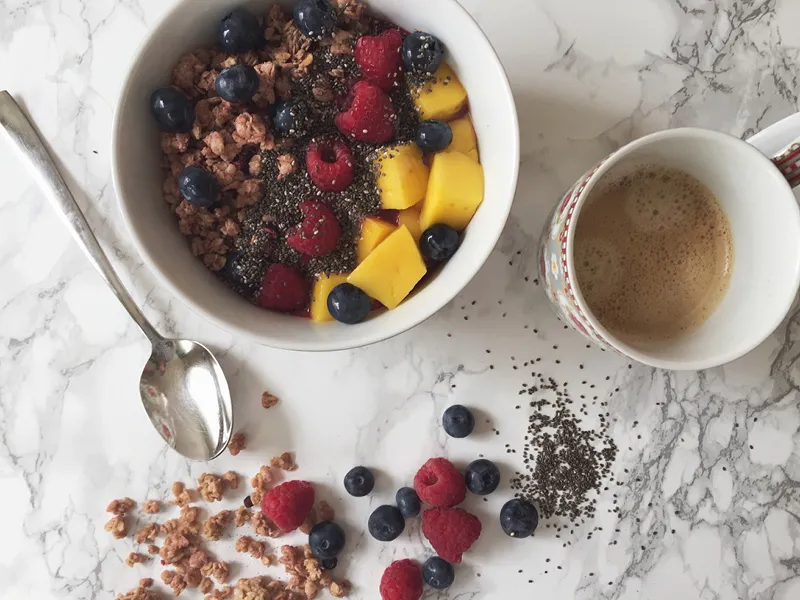
Did you know nearly 25% of adults skip breakfast? That’s a direct assault on your energy, focus, and yes, your skin. You’re setting yourself up for a midday crash and a dull complexion. No thanks. My morning routine starts with food. It’s non-negotiable for anyone serious about looking and feeling their best. This isn’t just about fuel; it’s about building blocks for everything your body needs, especially your skin. You want radiant skin? It starts with what you eat first thing.
Why You’re Doing Breakfast All Wrong (And How to Fix It)
Let’s be blunt: most people utterly botch breakfast. You grab a sugary cereal, a pastry, or worse, nothing at all. This isn’t just a missed opportunity; it’s active sabotage. You spike your blood sugar, crash hard, and flood your system with inflammatory compounds. Your skin reflects this chaos. Stop doing that.
The Sugar Trap: Why Your Cereal is Sabotaging You
Your morning bowl of frosted flakes or even seemingly ‘healthy’ granola is a disaster waiting to happen. High-glycemic carbs like refined grains and added sugars cause a rapid blood sugar spike. This triggers an insulin response, which in turn can increase sebum production and inflammation. Hello, breakouts. Hello, premature aging. You’re basically pouring sugar on your skin’s future. Cut it out. Period. Look for ingredients with low glycemic index to avoid these spikes. Aim for whole, unprocessed foods.
Protein: Your Morning Non-Negotiable
If you’re skipping protein at breakfast, you’re missing the point. Protein isn’t just for muscles; it’s fundamental for skin repair, collagen synthesis, and satiety. Amino acids are the building blocks. Without enough, your skin struggles to regenerate, and you’ll be starving again by 10 AM. Don’t tell me you’re busy; scramble some eggs, blend a shake, or grab some Greek yogurt. No excuses.
Don’t Skip the Fat: Healthy Fats for Skin Barrier
Fear of fat is outdated nonsense. Healthy fats are essential for a robust skin barrier, reducing transepidermal water loss, and absorbing fat-soluble vitamins (A, D, E, K). Without adequate healthy fats, your skin becomes dry, irritated, and more prone to damage. Think omega-3s from chia seeds or a slice of avocado. These are critical. They keep your cells plump and your skin barrier intact.
My Everyday Breakfast: The Power Bowl Protocol
This is my blueprint. It’s simple, effective, and delivers results. No fancy ingredients you can’t find. Just smart layering for maximum impact on your energy and your complexion. It’s a high-protein, high-fiber, antioxidant-rich meal that keeps you full and your skin happy. Follow this. You’ll feel the difference.
Base Layer: The Right Oats Matter
Start with steel-cut oats. Not instant, not quick-cook. Steel-cut oats have a lower glycemic index and a chewier texture. They release energy slowly, preventing those awful blood sugar spikes. Prepare them with water or unsweetened almond milk. Cook them the night before if you’re truly time-crunched. A half cup dry is usually enough. This provides sustained energy and critical fiber for gut health.
Protein Powerhouse: My Go-To Boosters
Once the oats are cooked, stir in a significant protein source. My top picks are a scoop of unflavored collagen peptides (around 10-20 grams) and a half cup of plain, full-fat Greek yogurt. The collagen is straight-up building material for your skin, hair, and nails. The Greek yogurt adds more protein, probiotics for gut health, and a creamy texture. If you need more, a scoop of unflavored whey or plant-based protein powder works too. This combination ensures your body gets the amino acids it needs to repair and build new tissue.
Fruit & Fat Fusion: Antioxidants and Omega-3s
Top your bowl with a generous handful of mixed berries – blueberries, raspberries, blackberries. They’re packed with antioxidants, which fight free radical damage and keep your skin looking youthful. Then, add a tablespoon of chia seeds or ground flaxseeds for omega-3 fatty acids, which are intensely anti-inflammatory and excellent for skin hydration. A dollop of natural almond butter or a few walnuts provides additional healthy fats and a satisfying crunch. This isn’t optional; it’s essential for comprehensive skin protection and nourishment.
The Inflammation Connection: What Your Breakfast Does to Your Skin
You can spend a fortune on serums, but if your breakfast is triggering inflammation, you’re wasting your money. Inflammation is the root cause of so many skin issues: acne, redness, rosacea flare-ups, and accelerated aging. Your diet directly dictates your inflammatory state. Ignore this at your peril. A proper breakfast sets the tone for your body’s anti-inflammatory defenses for the entire day. It’s not just about avoiding bad things; it’s about actively putting good things in. The gut-skin axis is real. What you feed your gut, shows on your face. Period.
Glycemic Load and Acne: The Direct Link
It’s not a myth; high-glycemic diets absolutely contribute to acne. When you consume quick-digesting carbs and sugars, your body releases insulin-like growth factor 1 (IGF-1). This hormone can stimulate androgen production, which leads to increased sebum (oil) production and keratinocyte proliferation. More oil, more dead skin cells. The perfect recipe for clogged pores and inflammatory acne. So, your sugary cereal isn’t just giving you a sugar high; it’s actively fueling your breakouts. Choose complex carbohydrates and lean proteins to stabilize blood sugar and reduce this cascade.
Processed Foods: Your Skin’s Worst Enemy
Processed foods are loaded with inflammatory ingredients: refined sugars, unhealthy trans fats, artificial additives, and often excessive sodium. These components create a systemic inflammatory response. Think about it: your body is constantly fighting off these foreign invaders. This chronic inflammation shows up as redness, irritation, and a breakdown of collagen and elastin in your skin. Your skin becomes stressed, compromised, and ages faster. It’s not rocket science. Stop eating junk for breakfast. It’s not doing you any favors, especially your skin.
The Gut-Skin Axis: Feed Your Microbiome
Your gut health is intrinsically linked to your skin health. A compromised gut microbiome, often caused by a poor diet lacking fiber and diverse nutrients, can lead to increased gut permeability – what’s commonly called ‘leaky gut.’ This allows inflammatory compounds to enter the bloodstream and travel throughout the body, including to your skin. The result? Inflammation, sensitivity, and various skin conditions. A breakfast rich in fiber (like oats, berries, chia seeds) and probiotics (like Greek yogurt) feeds your beneficial gut bacteria, strengthening your gut barrier and, by extension, improving your skin’s resilience. Don’t underestimate the power of a healthy gut for clear, glowing skin.
Breakfast Add-Ins: Small Tweaks, Big Impact
You’ve got the core elements down. Now, let’s talk about enhancing that basic structure. These aren’t optional if you’re serious about skin health. They’re small additions that provide concentrated benefits. Don’t skip them.
| Add-In | Key Benefit for Skin | Why It Matters | Recommended Dosage/Use |
|---|---|---|---|
| Collagen Peptides | Skin elasticity, hydration, firmness | Provides amino acids for collagen synthesis, directly supports skin structure. | 10-20g daily, mixed into oats or smoothies. |
| Chia Seeds | Omega-3s, fiber, antioxidants | Reduces inflammation, improves skin barrier function, aids gut health. | 1-2 tablespoons daily, soaked in liquid or added to oats. |
| Ground Flaxseed | Omega-3s, lignans, fiber | Similar to chia, but lignans may offer hormonal balance benefits. | 1 tablespoon daily, ensure it’s ground for absorption. |
| Cacao Nibs | Antioxidants (flavonoids), minerals | Fights free radical damage, improves blood flow to the skin. | 1-2 teaspoons, sprinkle on top for crunch and flavor. |
| Spirulina Powder | Chlorophyll, protein, B vitamins | Detoxifying, anti-inflammatory, supports cellular health. | 1/2 – 1 teaspoon, mix into smoothies or oats (taste is strong). |
Collagen Peptides: The Non-Negotiable
If you’re not adding unflavored collagen peptides to your morning routine, you’re missing a trick. This isn’t some fleeting trend. Collagen is what gives your skin its structure and bounce. As you age, your natural production slows down. Supplementing with Type I collagen peptides provides the raw materials your body needs to maintain skin elasticity and hydration. Aim for 10-20 grams. It’s flavorless and dissolves easily. Just do it.
Antioxidant Boosters: Beyond Berries
Berries are great, but you can always layer in more antioxidant power. Think about a teaspoon of organic cacao nibs for a rich dose of flavonoids, which protect your cells from oxidative stress. Or consider a small amount of spirulina powder. It’s packed with chlorophyll and other micronutrients that contribute to overall skin vitality and detoxification. These small additions provide concentrated benefits.
Fiber Power: Keeping Things Moving
Regularity isn’t just about comfort; it’s crucial for detoxifying your body and, by extension, your skin. If your digestive system is sluggish, toxins can reabsorb into your bloodstream, leading to skin issues. Adding extra fiber in the form of ground flaxseed or a small amount of psyllium husk ensures consistent elimination. It’s a simple, effective way to support your gut and clear your complexion.
Why Skipping Breakfast Is a Self-Sabotage Move
Skipping breakfast is a terrible idea. You start your day in a calorie deficit, trigger stress hormones, and set yourself up for overeating later. It stresses your body, dulls your skin, and wrecks your focus. Don’t even try to convince yourself it’s fine. It’s not.
Common Breakfast Myths Debunked
There’s a lot of misinformation out there. Let’s clear some of that up right now. Don’t fall for these common traps when it comes to your morning meal and your skin health.
Does Intermittent Fasting Mean Skipping Breakfast Entirely?
No, not necessarily. Intermittent fasting (IF) is about restricting your eating window, not necessarily skipping the first meal of the day. If your eating window starts at 12 PM, then your first meal *is* technically lunch. But if you’re doing IF, you still need to ensure your first meal is nutrient-dense. Don’t just break your fast with a donut because you ‘earned it.’ The principles of balanced nutrition for skin health still apply within your eating window. Your body doesn’t care about the clock; it cares about the quality of the fuel.
Is Fruit Too Much Sugar for My Skin?
This is a common, misguided concern. Whole fruit, especially berries, is not ‘too much sugar.’ The natural sugars in fruit come packaged with fiber, water, and a huge array of vitamins and antioxidants. This fiber slows down sugar absorption, preventing rapid spikes. The problem isn’t fruit; it’s added sugars in processed foods and drinks. Your body knows the difference between a handful of blueberries and a soda. Focus on low-glycemic fruits like berries, apples, and pears. They are skin food, not skin saboteurs.
Do I Really Need to Eat This Much Protein?
Yes. Absolutely. Especially if you’re active, trying to manage weight, or simply want healthy skin, hair, and nails. Protein is not just for bodybuilders. It’s crucial for cell repair, enzyme production, hormone balance, and, critically, collagen synthesis. Most people under-consume protein. Aim for at least 20-30 grams at breakfast. It keeps you full, stabilizes blood sugar, and provides the raw materials your skin needs to maintain its structure and repair itself. There’s no downside here, only benefits.
That’s it. No magic pills. Just consistent, smart choices. Your skin will thank you.